Growing up in Detroit’s western suburbs meant you learned the rules before anyone explained them. The Big Three—Ford, GM, Chrysler—weren’t just employers. They were ecosystems with their own gravitational pull and unwritten codes.
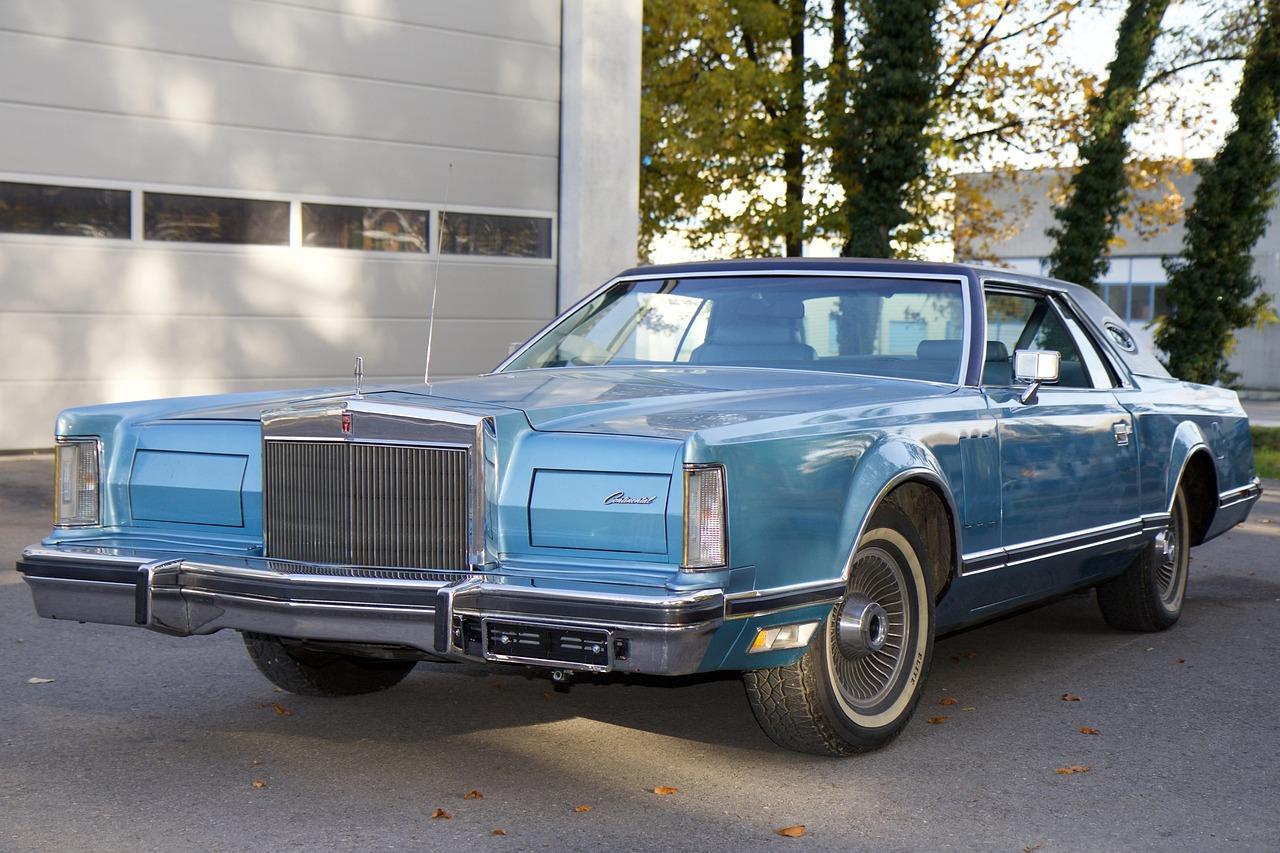
If you worked at an agency servicing one of them, you didn’t show up in a competitor’s car. Lincoln if you worked the Ford account. Cadillac for GM. The Chrysler premium model—300M, LHS, whatever they were calling it that year—for anything touching Mopar money.
You want their budget? Buy their product.
The Parking Lot Was the First Interview
Nobody said it out loud, but everyone knew. Pull into the client lot driving the wrong badge, and you’d hear about it. Not immediately—Detroit doesn’t work that way. It’s not confrontation. It’s a cooling. A slight distance. Your ideas get a little less traction. Your invoices take a little longer to process.
You proved you didn’t get it.
And in an industry built on loyalty—unions, generational employment, entire towns dependent on one company’s fortunes—not getting it meant you were already halfway out the door.
Security guards at the Big Three plants would write you up if you parked a competitor’s car in the employee lot. Actual tickets. Documentation. Management got copies. It wasn’t just frowned upon—it was tracked, filed, and remembered.
Park a “Caddie” at a Ford plant? You’d get a warning slip on your windshield. Do it again? HR conversation. The message was clear: if you won’t support us, why should we support you?
The Coffee Incident
Fast-forward to a brainstorming session for a massive quick-service restaurant client. Huge account. National footprint. The kind of work that makes a career.
I walked in carrying a competitor’s coffee cup.
I knew the client—I had worked with them for years. But I didn’t know the specific product we were pitching that day. Turns out: coffee. Their coffee. Against the exact chain whose logo I’d just carried into the room.
Someone noticed immediately. Started laughing. “Don, really?”
I threw the cup away, grabbed one of their coffees from the catering spread. Everyone had a good time with it, but the needling lasted for years.
After that, at every coffee meeting, someone would make a joke. “Don, you want us to check your cup first?” Not mean-spirited—just a permanent reminder that the guy running the show had walked in with the wrong evidence.
Why It Actually Made Sense
The thing is: they were right to remember.
If you’re asking a company to trust you with millions of dollars in marketing spend, the least you can do is demonstrate you understand their world. That you’ve thought about their competitors. That you’re not just cashing checks—you’re invested in their success.
It’s not performative loyalty. It’s proof of attention.
The agencies that survived in Detroit weren’t the ones with the fanciest creative. They were the ones who showed up in the right car, drank the right coffee, and understood that every detail signaled commitment.
The parking lot tickets weren’t about control—they were about consistency. If you’re building cars for a living and your own employees won’t drive them, what does that tell the market?
The Lesson Stuck
Years later, the jokes faded, but the reflex stuck. Every client meeting, I’m still checking—what’s on the table, what’s in the lot, what small detail might signal I’m not paying attention.
Detroit doesn’t let you forget those lessons.
The coffee cup was funny. The principle wasn’t.