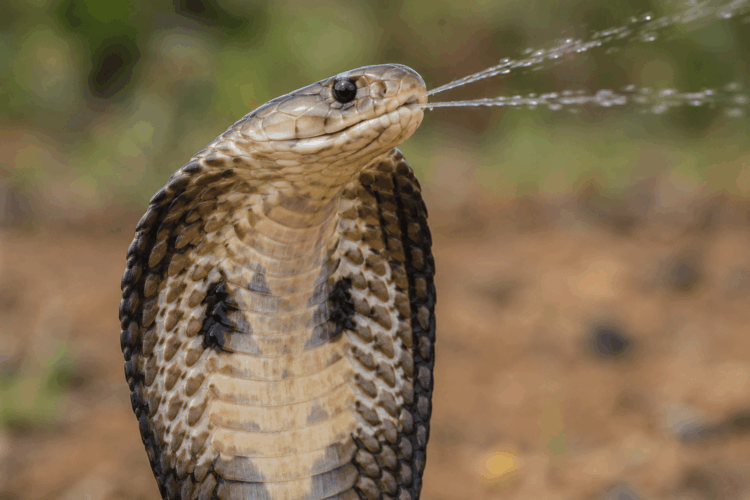
Here is my third day in the fourth grade. Bunny goes into the terrarium. Boa constrictor does what boa constrictors do. Twenty-five kids learn that nature doesn’t negotiate — it just happens, usually in front of an audience that didn’t sign up for the lesson.
That memory probably explains why a new study from the World Health Organization lands with a particular kind of dread. Because the snakes are moving. Not just slithering around their usual territories — actually relocating to places they’ve never been, driven by rising temperatures and shrinking habitats. And the overlap between venomous reptiles and unsuspecting humans is about to get a lot more crowded.
The WHO Just Mapped 508 Species — Down to the Square Kilometer
The research team didn’t mess around. They pulled data from museums, citizen science platforms, scientific literature, and expert field observations to map every medically significant snake species on the planet — down to a resolution of 1 square kilometer. Then they ran projections for 2050 and 2090, factoring in temperature increases and human population shifts.
The result? A global snakebite risk map that reads like a climate horror story with scales.
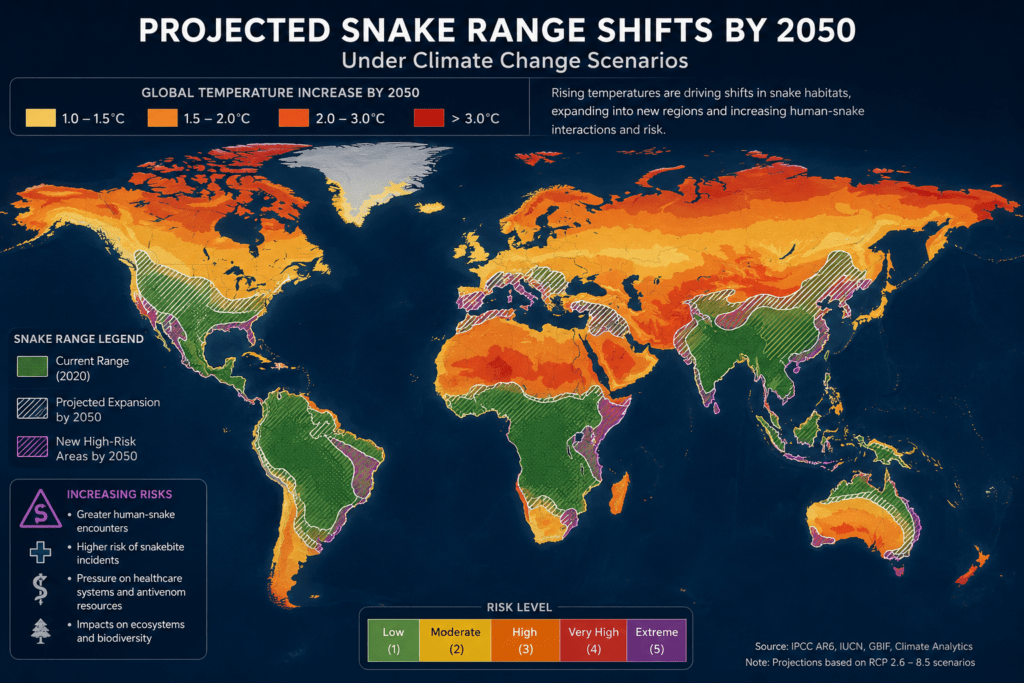
Most species — puff adders in Africa, coral snakes in the Amazon, copperheads in Papua New Guinea — are losing habitat as forests and wetlands get converted into ranches and monocultures. Some are being pushed toward extinction. But the deadliest ones? They’re expanding their range.
Black Mambas, Cottonmouths, and Kraits Are All on the Move
The black mamba — already one of the fastest, most aggressive venomous snakes in the world — is expected to retreat from coastal Kenya and parts of Ethiopia, Eritrea, and the Congo. But it’s expanding into South Africa, Nigeria, and Somalia. New territories. New encounters.
Cottonmouth moccasins in the U.S. are projected to migrate as far north as New York. Kraits in Asia could shift from the forests of Myanmar and Yunnan into the densely populated cities of central and northern China. The European viper, which already lives in the UK, is forecast to come into more contact with humans as temperatures rise.
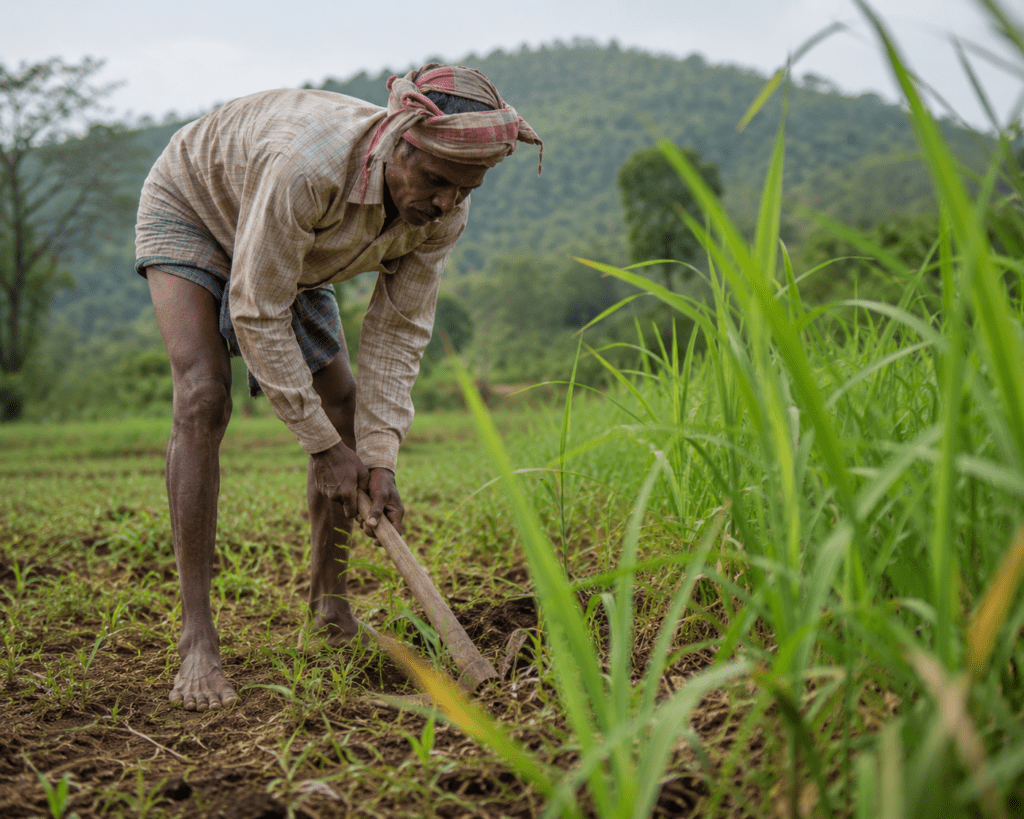
In India — which records about 60,000 snakebite deaths annually — the deadliest species (common cobras, Russell’s vipers, kraits) are moving from the south to the more densely populated north. Farmyards. Water sources. Playgrounds. Running tracks.
David Williams, one of the study’s authors from the WHO and the University of Melbourne, put it bluntly: “You could consider this a risk of walking out of the back door, stumbling and getting bitten.”
Four Million Snakebites a Year — And Most Go Unreported
The statistics are sketchy because most snakebites happen in remote areas and never make it into official records. But the researchers estimate there are about 4 million cases annually, mostly in the tropics. The vast majority aren’t fatal — but 138,000 people die every year, and 400,000 are left with permanent disabilities. Almost half of those deaths occur in South Asia.
Until now, snakebite risk has been understood at a local or national level. Nobody had mapped the global picture or projected how climate disruption and demographic shifts would change the equation. This study fills that gap — and the forecast is unsettling.
The Real Danger? Places That Aren’t Prepared
Wealthier countries like Australia have plenty of venomous snakes, but very low mortality rates. Farm workers wear boots, use tractors, and live near clinics stocked with antivenoms. The infrastructure exists.
But in poor, remote areas where people work barefoot in fields and have little access to healthcare? The dangers multiply. And when venomous snakes start showing up in places where they’ve never been seen before — where local populations don’t recognize the threat, where hospitals don’t stock the right antivenoms — the risk becomes exponential.
The researchers say the study should help health authorities target resources to high-risk areas and prepare for the changes ahead. Stockpiling antivenoms. Ensuring healthcare capacity. Improving accessibility for remote communities. Focusing conservation efforts on threatened snake species.
All of which sounds reasonable — until you remember that most of the world’s snakebite victims live in places where “healthcare accessibility” is already a dark joke.
The Snakes Aren’t the Villains — They’re Just Adapting
The study makes it clear: the greatest risk is to the snakes themselves. Most species are losing habitat as forests, wetlands, and grasslands are converted into human infrastructure. Some are being pushed closer to extinction.
The ones that survive are doing what every other species does when the environment shifts — they move. They adapt. They find new territory. And if that territory happens to overlap with farmyards, schoolyards, or suburban backyards… well, that’s not malice. That’s just biology meeting climate disruption.
Which brings us back to that fourth-grade classroom. The bunny didn’t have a choice. The boa constrictor didn’t have a choice. And the kids watching didn’t have a choice either — they just had to live with what happened next.
The snakes are moving. The climate is heating up. And the overlap between venomous reptiles and unsuspecting humans is about to get a lot more uncomfortable. Whether we’re ready or not.
Source: The Guardian