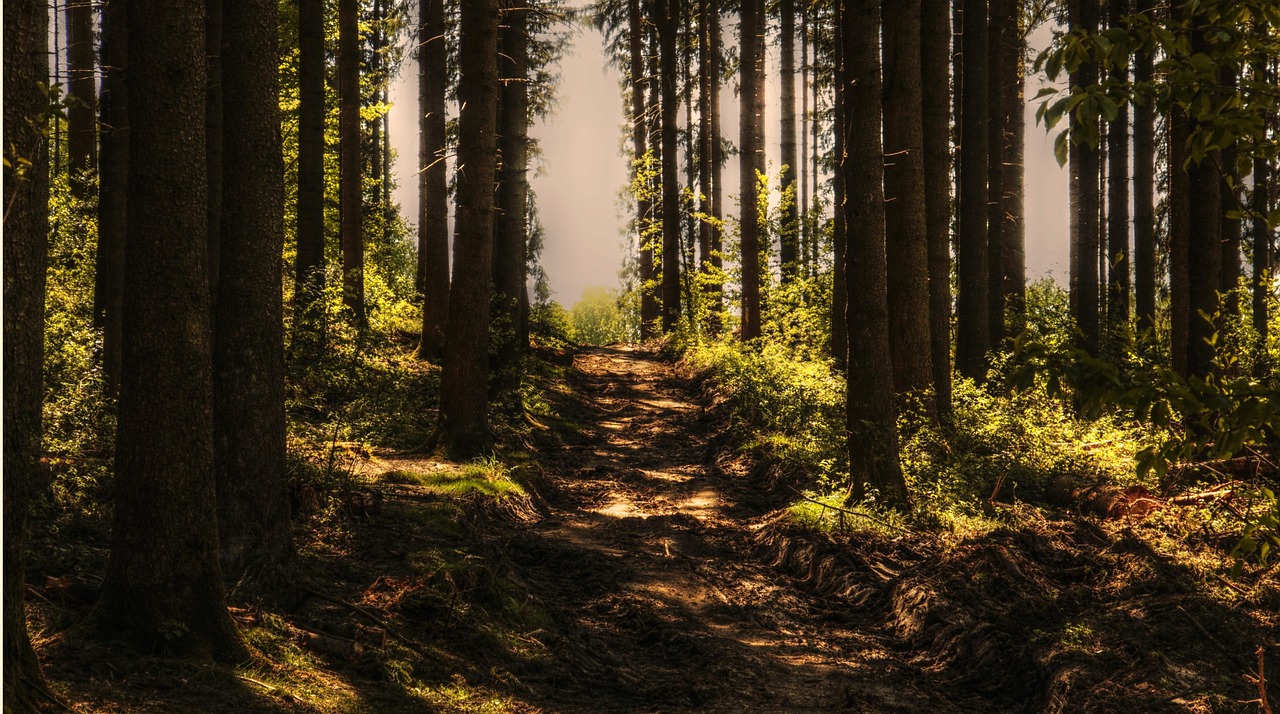
The first time someone told me about forest bathing, I pictured a guy in a clawfoot tub surrounded by pine trees.
Wrong.
Turns out forest bathing stress relief is just… walking outside. Slowly. Among trees. Paying attention.
Which is what your grandmother called “getting some fresh air” before wellness culture turned it into a branded experience with a Japanese name.
What Forest Bathing Actually Is (No Towel Required)
The Japanese call it shinrin-yoku. Forest bathing.
Not hiking. Not trail running with your Spotify workout mix blasting. Just being present in a forest environment — walking at a pace that would embarrass a three-toed sloth, touching bark, listening to leaves rustle, breathing air that hasn’t been recycled through an office building’s HVAC system.
The Japanese formalized this in the 1980s as a public health initiative. Not because they were chasing wellness trends — because they noticed their increasingly urbanized population was falling apart from stress and needed an intervention that didn’t require a prescription pad.
Smart move.
The Research Behind Walking Slowly Through Trees
Here’s where it gets interesting: researchers actually measured what happens when people practice forest-bathing stress-relief techniques.
Lower blood pressure. Reduced cortisol levels. Improved immune function. Better mood markers.
One study found that spending time in forests — not exercising, just being there — produced measurable physiological changes. Your nervous system downshifts. Your body stops running the stress response loop that modern life keeps triggering like a car alarm that won’t quit.
The data is solid enough that doctors in some countries now write prescriptions for nature exposure. Actual prescriptions. “Take two forests and call me in the morning.”
Why Rebranding “Go Outside” Actually Matters
You could argue this is just marketing — taking something humans have done forever and slapping a fancy name on it so wellness influencers can monetize it.
Fair point.
But here’s the thing: when something becomes a formal practice with research backing it up, people actually do it. “Go outside” sounds like advice your mom would give. “Forest bathing stress relief” sounds like a legitimate health intervention — which, according to the data, it is.
The rebranding gives people permission to slow down. To spend thirty minutes in the woods doing nothing productive. To not track their steps or optimize their heart rate or post about it for engagement.
Just… be there.
The Part Where It Gets Absurd
The wellness industry has — predictably — turned this into a thing you can pay for.
Guided forest bathing sessions. Certified forest therapy guides. Weekend retreats where someone charges you $300 to walk slowly through trees while they point out moss.
Which is fine. Some people need structure. Some people need permission from an authority figure to justify spending time unproductively.
But you don’t need any of that.
You need trees. You need to walk slowly. You need to leave your phone in your pocket and actually notice what’s around you — the texture of bark, the smell of decomposing leaves, the sound of wind moving through branches.
That’s it.
What This Actually Means for Your Stress Levels
The research suggests that regular forest bathing — even 20-30 minutes a few times a week — produces measurable stress reduction.
Not “I feel better” in a vague, placebo-ish way. Actual documented changes in stress hormones and nervous system function.
Your body recognizes the environment. Recognizes that you’re not in immediate danger. Recognizes that you can stop running the threat-assessment program that modern life keeps triggering with emails and notifications and traffic and deadlines.
The trees don’t care about your quarterly targets. The forest doesn’t send push notifications. Your nervous system notices this and responds accordingly.
The Simplest Health Intervention You’ll Ignore
Here’s the pattern: something works. Research confirms it works. It’s free and accessible. And most people still won’t do it.
Because it’s too simple. Because it doesn’t feel like enough. Because we’ve been conditioned to believe that effective interventions require technology, expertise, or money.
Forest bathing stress relief requires none of those things.
It requires trees, time, and the willingness to walk slowly without a destination, which, in a culture that treats productivity as a moral virtue, might be the hardest part.
Your grandmother knew this. The Japanese formalized it. The research confirmed it.
Now you just have to actually do it.