There’s a reason I’m avoiding airline travel chaos right now — and it’s not just one thing.
It’s the compounding absurdity of an industry that’s decided customer experience is optional.
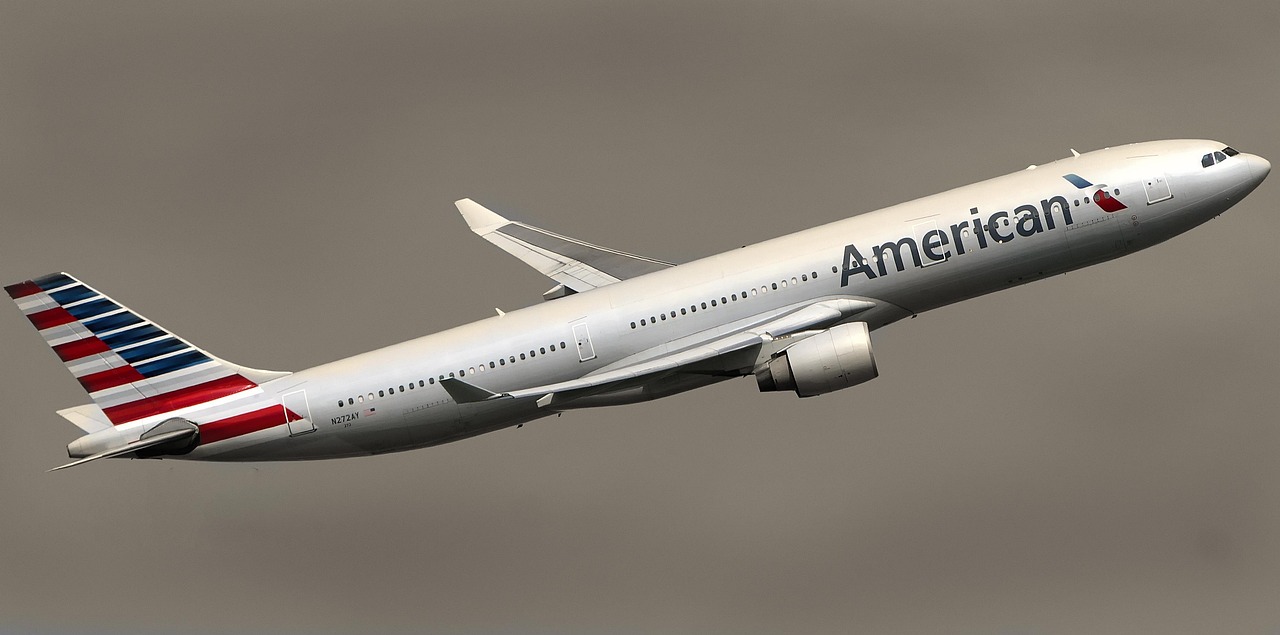
Southwest Airlines is reportedly testing what amounts to a “fat tax” — charging passengers extra if they don’t fit into a single seat. American Airlines passengers are discovering their flights have been replaced by bus routes — literally showing up at the airport only to be handed a ticket for a coach that’ll take five times longer.
And then there’s TSA — the wildcard that turns a 45-minute buffer into a game of Russian roulette depending on which airport, which day, which security line you choose.
Three separate failures of basic service delivery, all happening at once.
When Your Flight Becomes a Greyhound Route
American Airlines passengers in certain markets are being “rebooked” onto buses when flights get cancelled or consolidated.
Not as a last resort. As policy.
You book a flight. You show up at the terminal. You’re handed a bus ticket and told to enjoy the scenic route through three states.
The airline still gets to say they “got you there” — technically — while you’re white-knuckling an armrest on I-95 for six hours, wondering if this counts as the same service you paid for.
It doesn’t.
But the fine print says they can do it, so they do.
Southwest’s Creative New Revenue Stream
Southwest — the airline that built its brand on “bags fly free” and no-frills egalitarianism — is now exploring charges for passengers who require two seats.
The framing is always about “fairness” and “operational efficiency.” The reality is a public shaming system disguised as policy, where gate agents become body-size arbiters and passengers get to experience the joy of being measured, debated, and surcharged in front of a crowd.
This isn’t about safety. It’s about monetizing discomfort.
Airlines have spent decades shrinking seat width, reducing legroom, and packing cabins like sardine tins — then blaming passengers for not fitting into spaces designed for anatomical implausibility.
TSA: The Least Predictable Part of the Equation
And then there’s the security theater.
TSA wait times are a coin flip — 10 minutes at 6 a.m. in Boise, 90 minutes at 10 a.m. in Atlanta, 15 minutes at LaGuardia on a random Tuesday because Mercury’s in retrograde and the algorithm smiled on you.
PreCheck helps. Sometimes. Until the PreCheck line is longer than standard because half the airport bought their way in, and the system’s now just as clogged as the thing it was supposed to bypass.
You can’t plan for it. You can only add buffer time and hope the chaos gods are feeling generous.
To make matters worse, Congress left town for two weeks yesterday without fixing TSA funding. It is an epic fail for Americans.
The Compounding Effect of Corporate Indifference
None of these things exists in isolation.
It’s not just that your flight might be a bus. It’s possible your flight might be a bus, you might get charged extra for your body size, and you might miss the whole thing because the TSA decided today’s the day for random additional screenings.
The airline industry has become a masterclass in compounding inconvenience — where every decision prioritizes cost-cutting and revenue extraction over the basic premise that people are paying for a service that should, at a minimum, resemble what they purchased.
Flying used to be the fastest, most efficient way to get from Point A to Point B.
Now it’s a gamble wrapped in a surcharge, held together by policies written by people who clearly don’t fly coach.
Why I’m Staying Grounded
So yeah — avoiding air travel right now.
Not out of fear. Out of exhausted pragmatism.
The math doesn’t work anymore. The time saved gets eaten by security, the cost keeps climbing with fees that didn’t exist five years ago, and the experience has devolved into a stress-optimization exercise where you’re just trying to get through it without losing your mind or your wallet.
I’ll take the drive. I’ll take the train. I’ll take the extra day.
At least I know what I’m getting into.