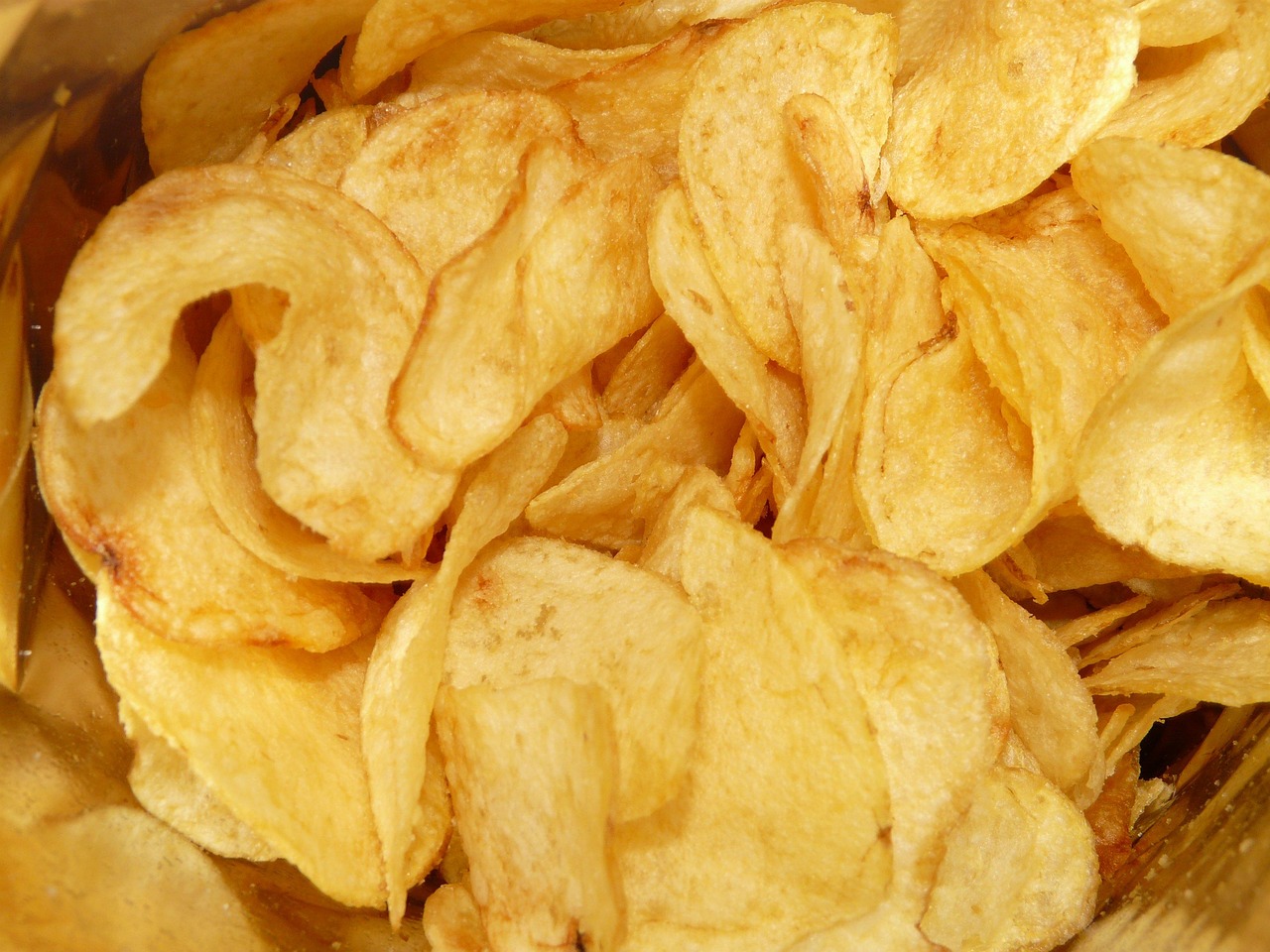
Walk down any grocery aisle and suddenly everything is shouting about protein. Chips. Cookies. Ice cream. Cereal that used to just sit there quietly being cereal. Now they all have biceps.
It’s not that these products fundamentally changed. They just realized protein sells.
How Protein Became the Hero Nutrient
Somewhere between the death of “low fat” and the exhaustion of “low carb,” protein became the new magic word. People associate it with weight loss, muscle gain, energy that doesn’t crash at 2 p.m., and that elusive feeling of fullness that keeps you from eating an entire sleeve of crackers.
Social media turned protein into content. High-protein recipes. Gym influencers chugging shakes. Wellness accounts treating 30 grams like a personal achievement. The algorithm learned what people wanted to hear, and the food industry — never slow to spot a trend — followed the clicks straight to the reformulation lab.
Market research confirmed it: the protein-snack category is booming. So brands did what brands do — they slapped a number on the front of the bag and called it innovation.
Why Your Chips Now Have a Fitness Goal
In a crowded snack aisle, “HIGH PROTEIN” is a shortcut. It signals better-for-you without requiring you to read the ingredient list or ask uncomfortable questions about what “chickpea puffs” actually are.
Some of these products are legitimately reengineered — whey protein, soy isolate, pea protein powder mixed into the dough so they can hit 10 to 20 grams per serving. Others just got a label refresh and a new marketing budget.
Either way, an NIH-cited review found that foods making loud protein claims were often less healthy overall. More ultra-processed. Higher sodium. More sugar, more fat, more ingredients that sound like they belong in a high school chemistry experiment. The protein was there, sure — but so was everything else.
Most People Don’t Actually Need More Protein
Here’s the part that makes the whole thing funnier: most Americans already get enough protein from regular meals. The snacks aren’t filling a gap. They’re filling a perception gap.
Naturally protein-rich foods — eggs, chicken, beans, Greek yogurt, cottage cheese — don’t need to scream about it. They just sit there being what they are. The loud claims tend to cluster on the heavily processed stuff, the products that need a health halo to justify the $5.99 price tag.
A practical rule: if “HIGH PROTEIN!” is doing most of the talking and the ingredient list reads like a science fair project, you’re looking at an ultra-processed snack with good PR.
The Smarter Move
If you actually want the satisfaction benefit — the thing protein is legitimately good at — you’re better off building it into meals with whole foods. Nuts. Cheese. Roasted chickpeas. A hard-boiled egg that doesn’t come in a branded pouch with a motivational slogan.
The protein-branded chips and cookies aren’t solving a problem. They’re monetizing a buzzword. And the food companies know it — they’ve just been waiting for us to catch up.