The piRNA longevity test results came out of Duke University this week, and they’re the kind of findings that make you wonder what else we’ve been measuring wrong.
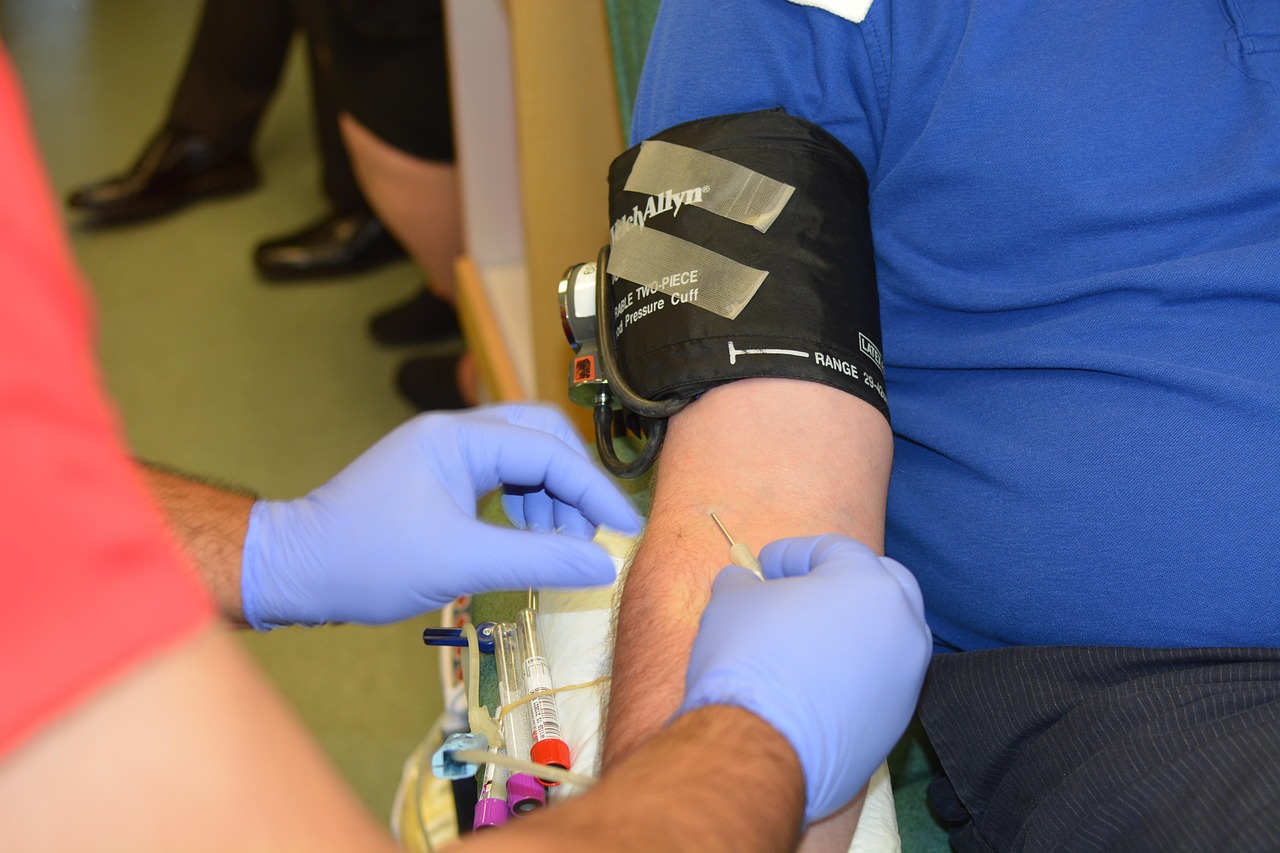
Researchers analyzed blood samples from 1,271 adults aged 71 and older — samples drawn in the early 1990s from five North Carolina counties — and tracked who survived the next two, five, and ten years. They measured 828 small non-coding RNA molecules in each sample. Nine specific piRNAs stood out. All nine were consistently lower in participants who lived longer.
Age alone? Performed only slightly better than chance in predicting two-year survival once molecular markers were included.
The model combining five piRNAs with two standard health measures — a physical function score and HDL particle count — performed as well as or better than the most complex clinical tools doctors currently use, most of which rely on 6 to 25 physician-reported factors.
What piRNAs Are (And Why Nobody’s Been Measuring Them)
piRNAs are tiny genetic fragments that scientists had long assumed operated mainly in reproductive cells. They’re part of a largely overlooked class of molecules called small non-coding RNAs. The assumption was that they did little beyond sperm and egg production.
Turns out they may help regulate biological processes linked to aging — and their levels in your blood may be telling a story doctors have never been able to read before.
The counterintuitive part: older adults who lived longer had consistently lower levels of these nine piRNAs. Since piRNAs are known to suppress genetic instability, the intuitive expectation would be that higher levels protect health. The opposite pattern held, and it held across independent data sets.
The Statistical Simulation Nobody Should Take Literally (Yet)
To gauge potential therapeutic significance, the team ran a theoretical simulation. Under statistical modeling assumptions, shifting a high-risk person’s piRNA levels toward those seen in longer-lived individuals was associated with the probability of surviving the next two years, jumping from 47 percent to 90 percent.
These are purely model-based projections under statistical assumptions — not results from a real treatment or clinical trial. No treatment has yet altered piRNA levels in humans, and any therapeutic application remains hypothetical at this stage.
But the consistency across species is worth noting. In C. elegans, a tiny roundworm widely used in aging research, disrupting the system that produces piRNAs doubled the animal’s lifespan. In fruit flies, shutting down related genes in specific tissues extended how long the insects lived.
Results in worms and flies do not guarantee the same in humans. But the pattern is there.
Why Biological Age Tests Don’t Use This Yet
Biological age tests already exist commercially — products like MyDNAge and TallyAge, most of which rely on chemical changes in DNA. None currently uses piRNAs or any other small RNA measurements.
If this study’s signal holds up in broader and more diverse populations, a new generation of aging biomarkers could follow.
The researchers also identified biological pathways the piRNAs appear to influence: cellular stress responses, programmed cell death, and immune regulation. These are mechanisms scientists already connected to aging and age-related disease. Whether piRNAs actively drive these processes or reflect them remains to be confirmed through laboratory experiments.
Where the Models Were Weaker
Predictions grew less reliable at five- and ten-year horizons. All participants were 71 or older and were drawn from a single region of the United States. Whether these findings translate to younger adults or other populations remains unknown.
To guard against inflated results, the team divided participants into separate groups to build and test the models. The validation group’s blood samples were sequenced in a separate batch from those used to build the predictive model, using the same technical platform but processed independently — an important check against the kind of protocol bias that can make research findings look stronger than they are.
The accuracy held up anyway.
What This Means for Aging Medicine (Eventually)
For scientists, one of the most consequential findings is the identification of these nine piRNAs as potential drug targets — meaning compounds might one day be designed to modify their levels.
Translating a research finding into a clinical blood test takes years of additional validation and regulatory review. But this study offers a validated model across sequencing batches and a set of specific molecular targets to pursue.
For a field that has spent decades hunting for the biological levers of human longevity, that’s a meaningful place to start.
The biology lesson is over. Whew.
source: Study Finds