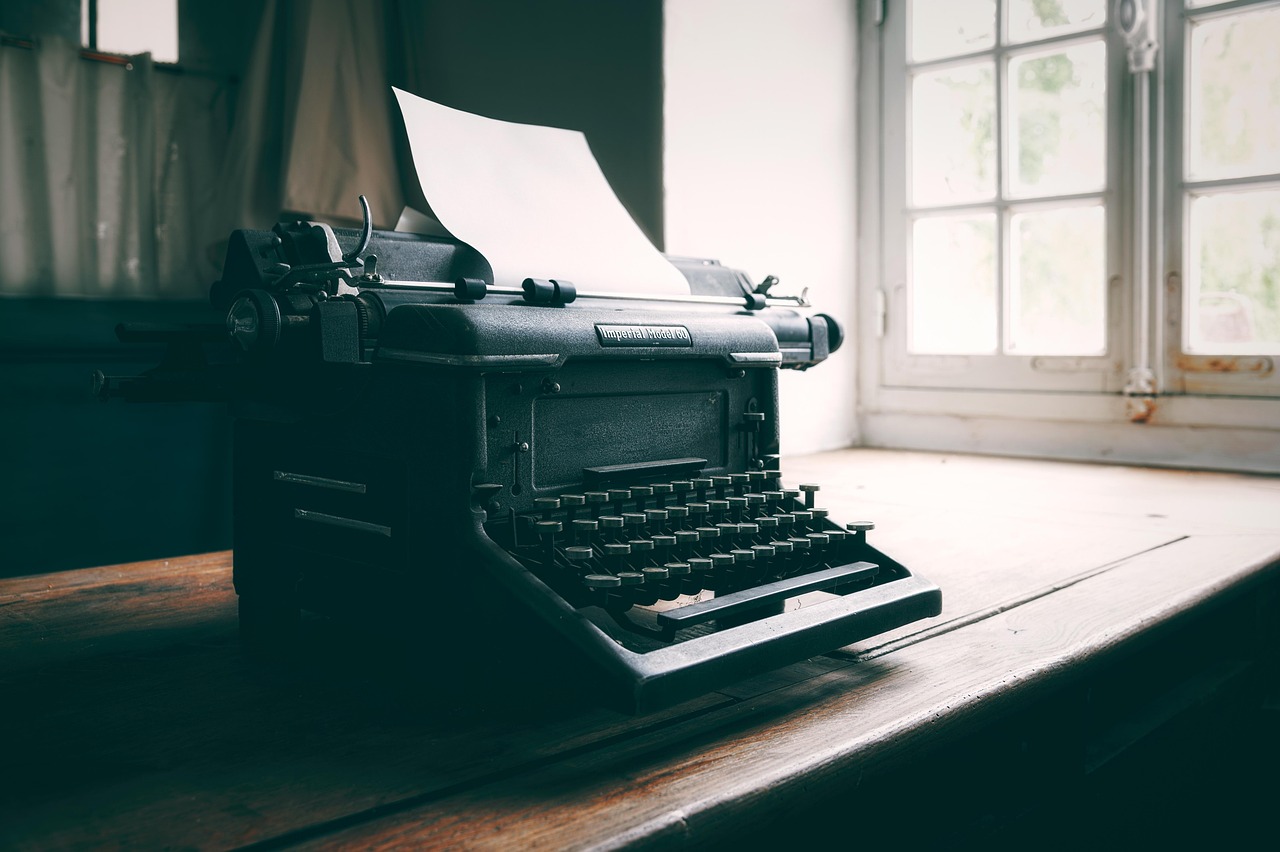
A Cornell German instructor hauls in vintage typewriters once a semester and makes her students write essays without spell-check, translation apps, or the ability to delete mistakes. No screens. No autocorrect. Just manual keys, ink ribbons, and the unmistakable ding at the end of each line.
Grit Matthias Phelps started the exercise in 2023 after realizing her students were submitting grammatically flawless assignments they clearly hadn’t written themselves—courtesy of generative AI and online translation tools. Her solution: force them to produce work the old-fashioned way, where every typo stays visible, and every thought requires intention.
“What’s the point of me reading it if it’s already correct anyway, and you didn’t write it yourself?” she told reporters. Fair question.
Students arrive to find typewriters at their desks—some with German keyboards, some QWERTY—and Phelps demonstrates the mechanics: how to feed the paper, strike the keys with force but not too much, and manually return the carriage when the bell dings. (“Oh,” one student said, “that’s why it’s called ‘return.'”) Her two kids, ages 7 and 9, serve as “tech support” and enforce the no-phones rule.
The assignment isn’t just about nostalgia. It’s about slowing down, thinking before typing, and—radical concept—actually talking to classmates when you don’t know something instead of asking ChatGPT.
Ratchaphon Lertdamrongwong, a computer science major, noticed the difference immediately. “I had to talk a lot more, socialize a lot more, which I guess was normal back then,” he said. “But it’s drastically different from how we interact within the classroom in modern times. People are always on a laptop, always on the phone.”
Without a delete key, he paused to think more intentionally about his writing. “This might sound bad,” he admitted, “but I was forced to actually think about the problem on my own instead of delegating to AI or Google search.”
The “Pop Quiz” That Comes With a Warning Label
Meanwhile, at the middle school where my wife works, teachers have brought back paper-and-pencil pop quizzes—with one small adjustment. They announce them ahead of time.
Parents and students get advance notice. The element of surprise, the defining feature of a pop quiz, has been removed entirely. It’s like announcing a surprise party via group text the day before.
The intent is solid: get kids writing by hand again, away from screens and autocomplete. But calling it a “pop quiz” when everyone knows it’s coming feels like labeling a scheduled meeting as “spontaneous.”
Still, the effort matters. Even a pre-announced paper quiz forces students to engage differently than typing into a device that corrects their spelling, suggests their next word, and—if they’re sneaky—writes their entire paragraph.
The Analog Resistance Is Real (But Inconsistent)
Typewriters in classrooms and paper quizzes are part of a broader trend: educators scrambling to prevent AI-generated work by returning to old-school testing methods. In-class pen-and-paper exams. Oral tests. Assignments that can’t be outsourced to a chatbot.
The typewriter exercise works because it’s fully analog—no screens, no internet, no shortcuts. The middle school pop quiz works less well because it’s been defanged by advance notice, but at least it’s a step away from digital dependency.
The real lesson isn’t about typewriters or paper. It’s about what happens when students are forced to slow down, think without algorithmic assistance, and produce work that’s visibly imperfect. Mistakes stay on the page. Thought processes become visible. Collaboration happens out loud instead of through shared Google Docs.
“Everything slows down,” Phelps said. “It’s like back in the old days when you really did one thing at a time. And there was joy in doing it.”
Maybe that’s the point—not to reject technology entirely, but to remember what thinking felt like before every answer was one search away.
Source: The Independent