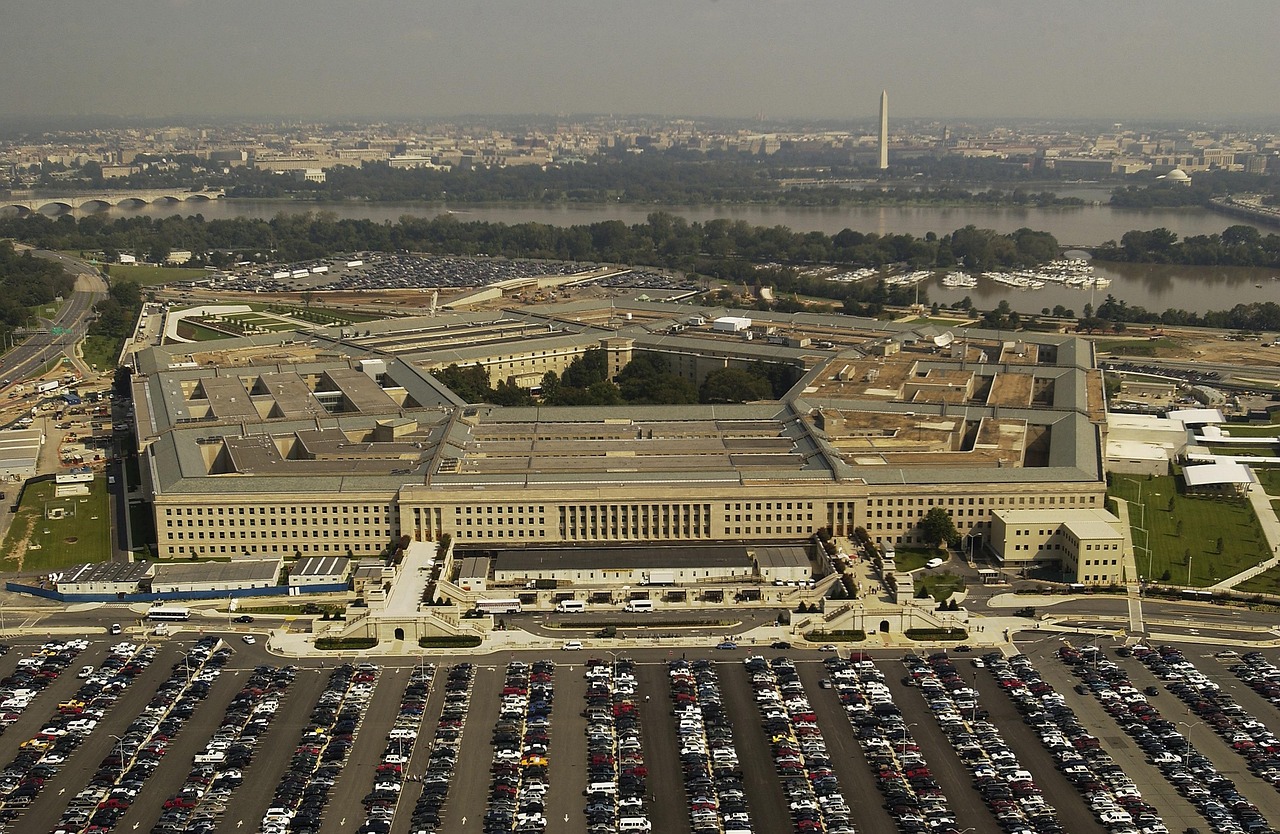
The OpenAI Pentagon deal landed this week like a brick through a plate-glass window.
Anthropic — maker of Claude AI — told the U.S. Department of War it wouldn’t play ball unless two conditions were met: no autonomous weapons, no mass surveillance of American citizens. The Pentagon said no deal. Anthropic walked.
Sam Altman stepped in before the door finished closing.
Within hours, OpenAI announced it would provide ChatGPT and related technologies to the Department of War — no red lines, no restrictions beyond “lawful use.” Altman posted on X that OpenAI’s models wouldn’t be used for mass surveillance. A government official immediately contradicted him, clarifying the tech would be deployed for “all lawful means,” which, under the post-9/11 Patriot Act, includes scenarios that permit exactly the kind of data harvesting Anthropic refused to enable.
The backlash was instant. Reddit threads with thousands of upvotes filled with users posting screenshots of canceled ChatGPT Plus subscriptions. The phrase “Cancel ChatGPT” started trending. Anthropic’s Claude app shot to #1 on both iOS and Android app stores.
Sam Altman raised $110 billion in February. He’s not worried about your $20/month subscription — but the optics are getting harder to ignore.
Anthropic Drew a Line. OpenAI Erased It.
Anthropic’s position was straightforward: it would work with the Pentagon, but only if it retained control over how Claude AI was deployed. No autonomous weapons. No mass surveillance of U.S. citizens. Non-negotiable.
The Trump administration responded by designating Anthropic a “supply chain risk” and banning its use across federal agencies.
OpenAI’s approach was different — Altman said the company would deliver the system, and the Department of War could use it “bound by lawful ways.” Translation: OpenAI builds the tool, the government decides what “lawful” means, and OpenAI washes its hands of the rest.
Legal experts pointed out the obvious problem — U.S. law permits the incidental collection of data on American citizens when surveilling foreign nationals. The Patriot Act’s provisions are broad enough to enable a surveillance apparatus. Anthropic wanted contractual control to prevent that. OpenAI is fine trusting the government’s interpretation of “legal.”
The difference isn’t subtle.
The Damage Control Tour Started Immediately
Altman went into full PR mode within 24 hours — hosting an “AMA” on X, insisting that OpenAI’s red lines would be respected, and claiming that existing U.S. law provides sufficient safeguards.
Nobody’s buying it.
The core issue isn’t whether OpenAI has internal guidelines — it’s whether those guidelines mean anything when the Pentagon decides what constitutes “national security.” The current administration has shown a willingness to stretch constitutional definitions when convenient. There’s no reason to believe OpenAI’s technology won’t be co-opted under the same rationale.
Anthropic wanted enforceable contractual control. OpenAI is relying on hopes, prayers, and the goodwill of an institution with a documented history of surveillance overreach.
That’s not a safety framework — it’s liability theater.
The Moral High Ground in AI? It’s a Low Bar.
No company in the AI space has clean hands. The entire industry is built on mountains of scraped data — decades of the open internet converted into proprietary models without permission, compensation, or oversight. Google removed its ban on autonomous weapons last year. Microsoft is fine with them as long as a human pulls the trigger. Amazon has no prohibitions beyond vague “responsible use” language. Meta’s courting Pentagon contracts too.
Anthropic’s stance isn’t virtuous — it’s just less cynical than the alternative.
And yet, it was enough to get the company banned from federal use and replaced within hours by a competitor willing to play ball.
The message is clear: if you want government contracts, don’t ask inconvenient questions about how your technology will be used.
ChatGPT Users Are Canceling Subscriptions After OpenAI’s Pentagon Deal — The Backlash Is Immediate
The “Cancel ChatGPT” movement isn’t theoretical — users are posting receipts. Canceled subscriptions. Deleted accounts. Migration to Claude.
Anthropic’s app hit #1 on both major app stores within days of the Pentagon story breaking.
Sam Altman’s $730 billion valuation doesn’t hinge on individual subscriptions — but the cultural shift is harder to ignore. OpenAI positioned itself as the responsible AI company. The safety-first option. The one that wouldn’t rush to monetize at the expense of ethics.
That narrative just took a bullet.
When the choice is between a company that refused a Pentagon surveillance contract and one that jumped at it — users are making the obvious call.
The Genie’s Out of the Bottle. Now What?
The uncomfortable truth: this was always going to happen.
AI models are too valuable, too strategically important, and too profitable for governments to ignore. The only question was which companies would set boundaries and which would take the money.
Anthropic set boundaries. OpenAI took the money.
The technology itself is still prone to hallucinations, easily manipulated, and fails basic logic tests. But it’s good enough for textual mimicry, pattern recognition, and data processing — which makes it good enough for surveillance, targeting, and autonomous decision-making in military contexts.
Are you comfortable with a system that can’t reliably solve a child’s logic puzzle, deciding whether you’re a threat to national security?
Sam Altman seems fine with it — as long as the checks clear.