It starts the same way these things always do — one offhand comment, one clipped quote, one man confidently forgetting he’s a guest.
Then the internet smells blood.
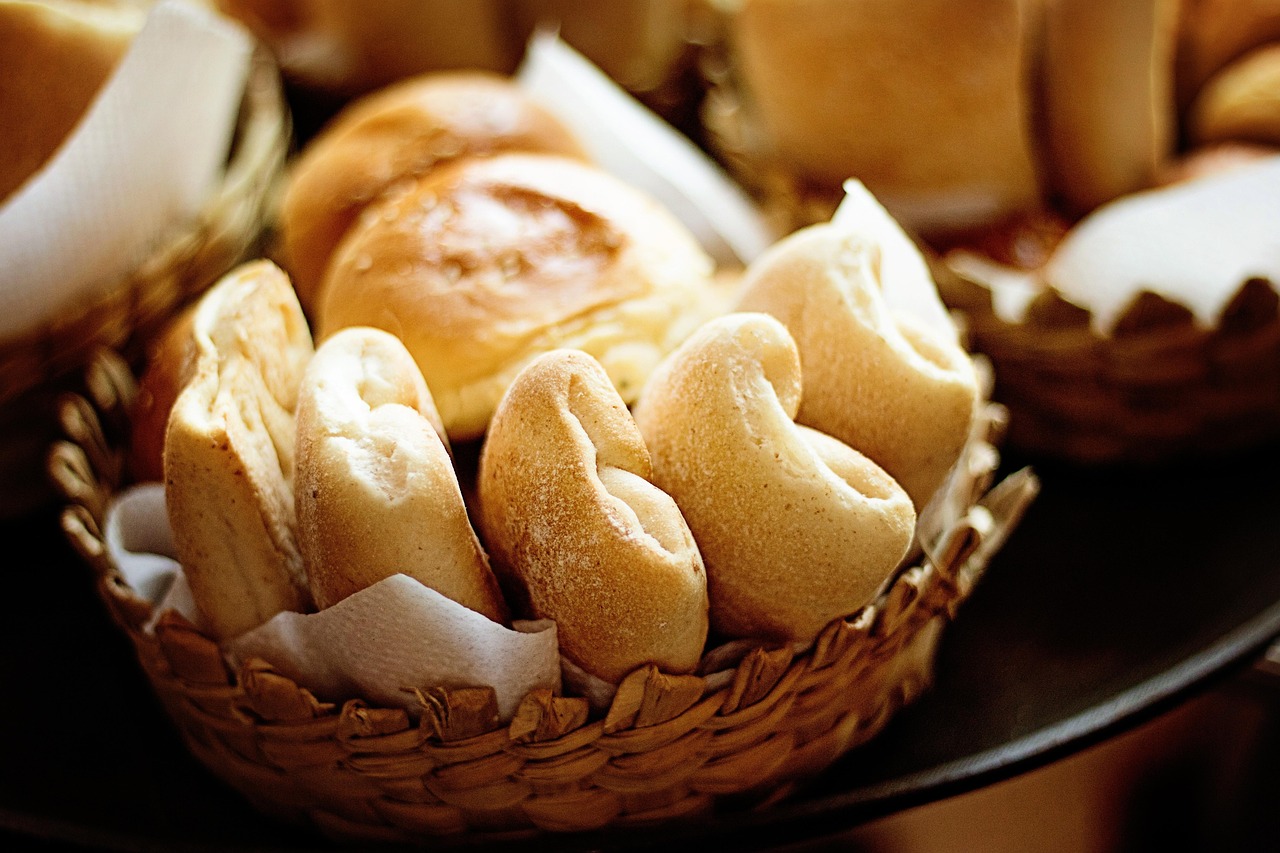
A British baker living in Mexico described local bread as “white, ugly, cheap, industrial.” Not shouted. Not tweeted. Just said — casually, conversationally — the way people say things when they assume the room agrees with them.
The Comment That Launched a Thousand Threads
The baker, Richard Hart, framed it as a lack of “bread culture,” which is a fascinating claim to make in a country where bakeries are as common as traffic cones and pan dulce is purchased by weight like it’s copper wiring.
This is the moment where context mattered — and immediately vanished.
Because “culture” isn’t a neutral word. It’s loaded. Heavy. It implies deficiency. Absence. A missing gene. And once you say that out loud about something people eat every day, the reaction writes itself.
When the Internet Chooses a Side Dish
Social media responded with enthusiasm — memes, rebuttals, long explanatory posts, and at least one emotionally charged defense of the bolillo that read like sworn testimony.
Bread became identity. Identity became argument. Argument became sport.
Off the charts.
The funny part is that the bread itself never asked for this. It’s not artisanal. It’s not Instagrammable. It’s meant to be torn open, stuffed with whatever’s around, and eaten standing up. Cheap by design. Plain on purpose. Reliable.
That’s not a flaw. That’s the job.
The Apology, Because of Course
Hart apologized. Said the phrasing was wrong. Acknowledged being a guest. Expressed regret.
All correct. All expected. All largely irrelevant.
Because apologies don’t end these moments — they fossilize them. The clip lives forever now, waiting patiently for the next slow news day.
What This Was Actually About
This wasn’t about crumb structure or fermentation times.
It was about who gets to define value — and how quickly the internet turns a practical object into a symbolic battlefield. Food is just the delivery system. It always is.
Bread today. Coffee tomorrow. Someone’s grandmother’s recipe next week.
The Quiet Truth No One Wants
Most everyday food is designed to disappear into routine. It’s supposed to be boring, affordable, and dependable. That’s not cultural failure — that’s cultural infrastructure.
But infrastructure doesn’t trend.
So instead, we get bread culture outrage. Another round. Another pile-on. Another reminder that nothing humble is safe once it wanders online.
Not even a roll.