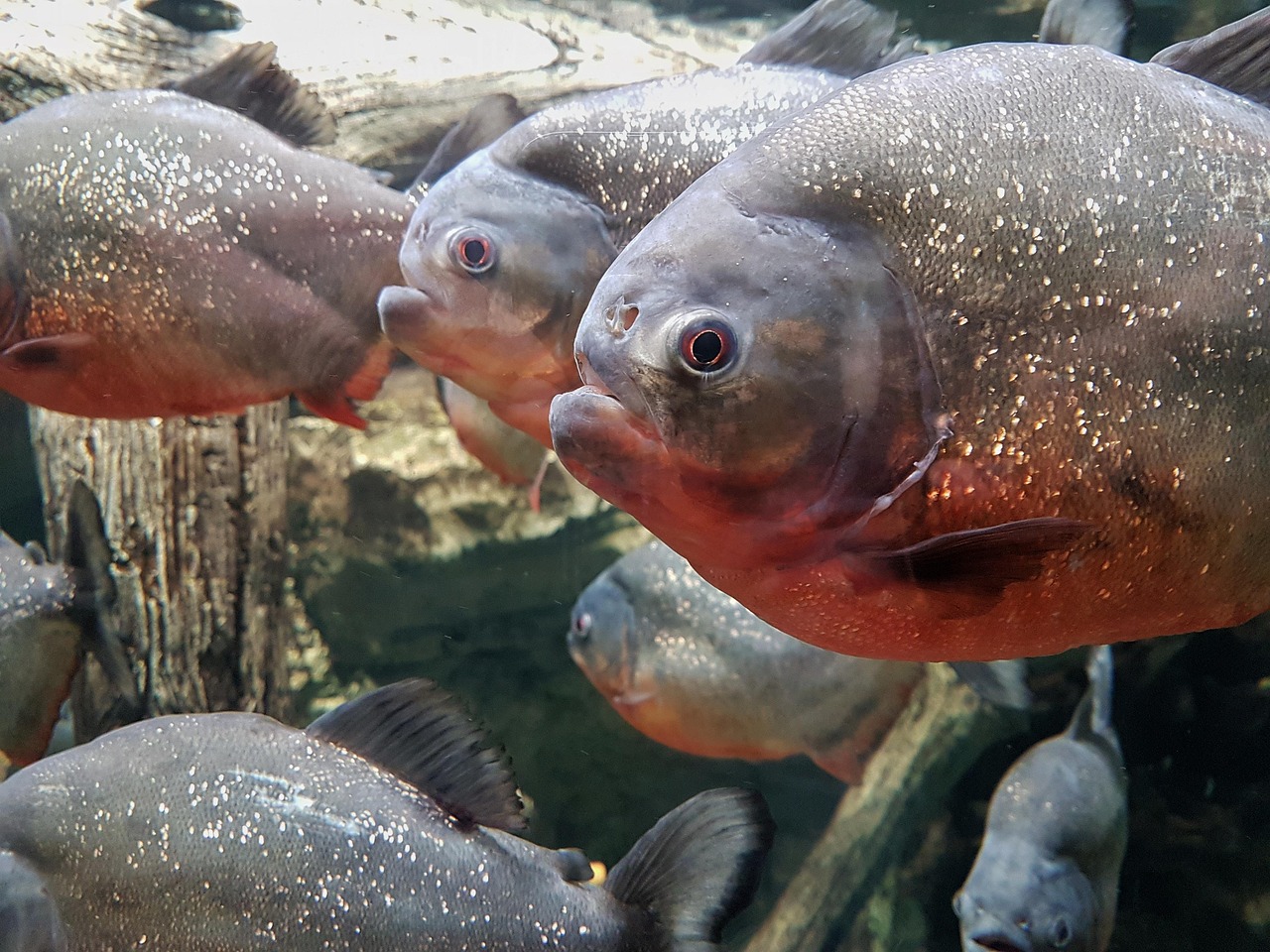
The Paraná River near Victoria, Argentina, turned into a scene from a B-movie horror flick this past weekend — except the blood was real, the screaming was real, and at least 46 people left the water with chunks of flesh missing.
One of them lost part of a finger.
The rest? Bite wounds where carnivorous fish decided human skin was on the menu.
Beach guard Alejandro Martin used up three first aid kits. Three. He said he “attended to 46 cases, all serious.” Not scrapes. Not minor nicks. Serious injuries — the kind where you’re wrapping gauze around exposed tissue while trying not to think too hard about what just happened.
The Setup: Low Water, High Temps, and Shallow Panic Zones
Piranha attacks usually happen in shallow water, and the Paraná River is at historically low levels right now. High summer temperatures, shrinking shorelines, and people wading into prohibited zones created the perfect storm for what specialists are calling “increased piranha activity near the shore”.
Translation: the fish were hungry, the water was warm, and the humans ignored the warning signs.
Lifeguards had already posted red flags — the universal symbol for “extreme danger, stay the hell out of the water.” Hospital officials confirmed the warnings were in place. The injured swimmers? They entered prohibited zones anyway.
Because nothing says “summer fun” like ignoring a red flag at a piranha-infested river.
The Aftermath: Emergency Evacuations and a Two-Meter Netting Proposal
Once the bite count started climbing, lifeguards ordered everyone out of the water and cleared the beach. The red flag stayed up. The emergency department at Hospital Fermín Salaberry treated a steady stream of victims — adults, children, all with the same story: something bit me, and it didn’t stop.
Martin is now pushing for a two-meter-high protective netting system — complete with chains and buoys — to run along the coast through April. The goal: reduce contact between swimmers and piranhas in high-traffic areas.
The subtext: we can’t stop people from ignoring warnings, so we’ll build a physical barrier between them and their own poor judgment.
The Primal Fear Part: Being Eaten Alive
There’s a reason this story lands differently than “man slips on wet dock.”
Being eaten alive sits at the top of the primal fear hierarchy — right next to burning alive and suffocating. It’s not just death. It’s death while you’re still conscious enough to feel it happening. Chunk by chunk. Bite by bite.
The Paraná River attack wasn’t fatal — but it didn’t need to be. The psychological damage was already done the second those teeth broke skin.
A two-year-old girl in neighboring Brazil wasn’t as lucky. Clara Vitoria fell through an unfenced hole in a floating structure near her riverside home and was pulled from the water five minutes later. She showed no signs of life. The piranhas had already finished.
That’s the part that sticks. Not the statistics. Not the red flags. The image of a toddler disappearing into a river while her parents searched.
Nature Doesn’t Negotiate
Authorities are urging visitors to stay out of the water, supervise children closely, and seek urgent medical care if bitten. Specialists are warning that summer conditions — high temps, low river levels — will continue to push piranhas closer to shore.
The Paraná River isn’t closing. The piranhas aren’t relocating. The red flags will stay up, and some people will ignore them anyway.
Because fear is primal — but so is the belief that “it won’t happen to me.”
Until it does.