According to the folks at Smithsonian Magazine, researchers caught something on camera that reads less like biology and more like an R-rated Pixar reboot. Brown rats (Rattus norvegicus) have been documented snatching bats out of the air — yes, snatching bats — in the wild.
Picture this: a rat on its hind legs, tail acting like a balancing pole, fore-legs reaching up, and BAM — it intercepts a flying bat in the darkness, kills it with a bite, and drags it away. That’s precisely what researchers observed at hibernation sites in northern Germany (sites like Bad Segeberg and Lüneburg). In one location alone: 30 predation attempts, 13 confirmed kills.
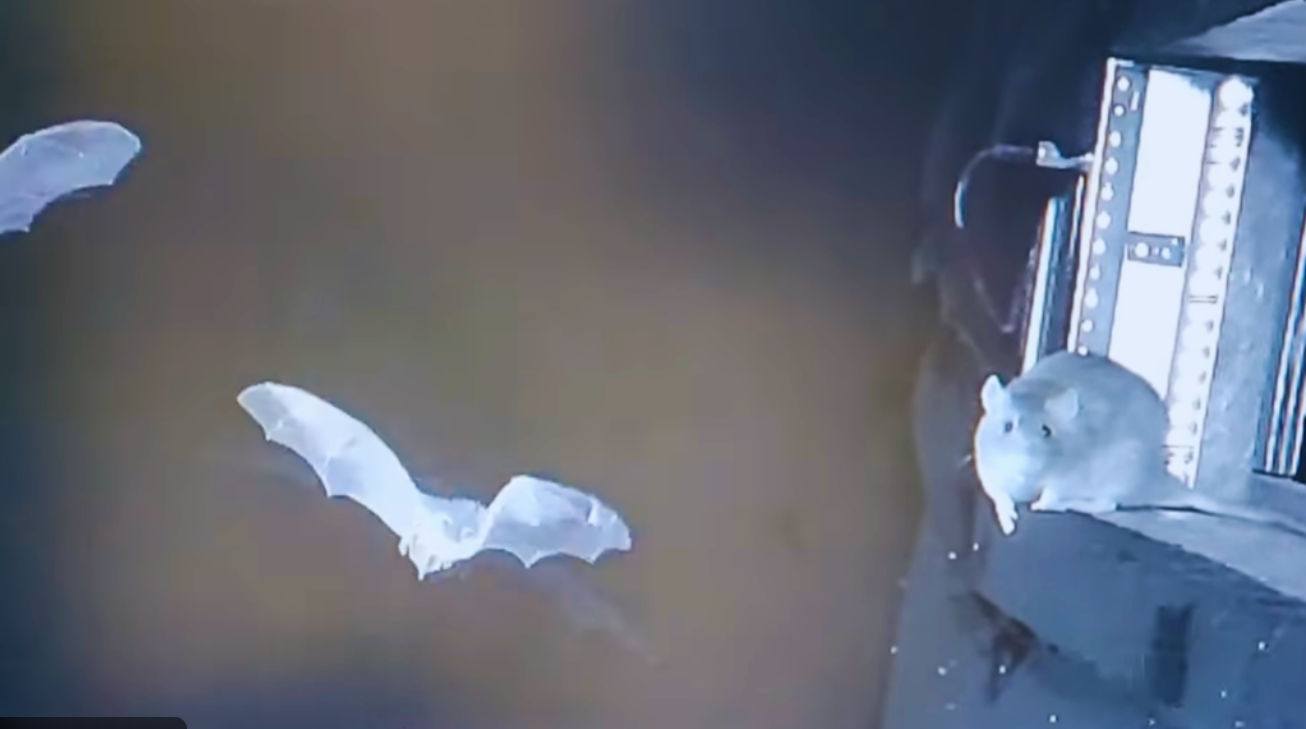
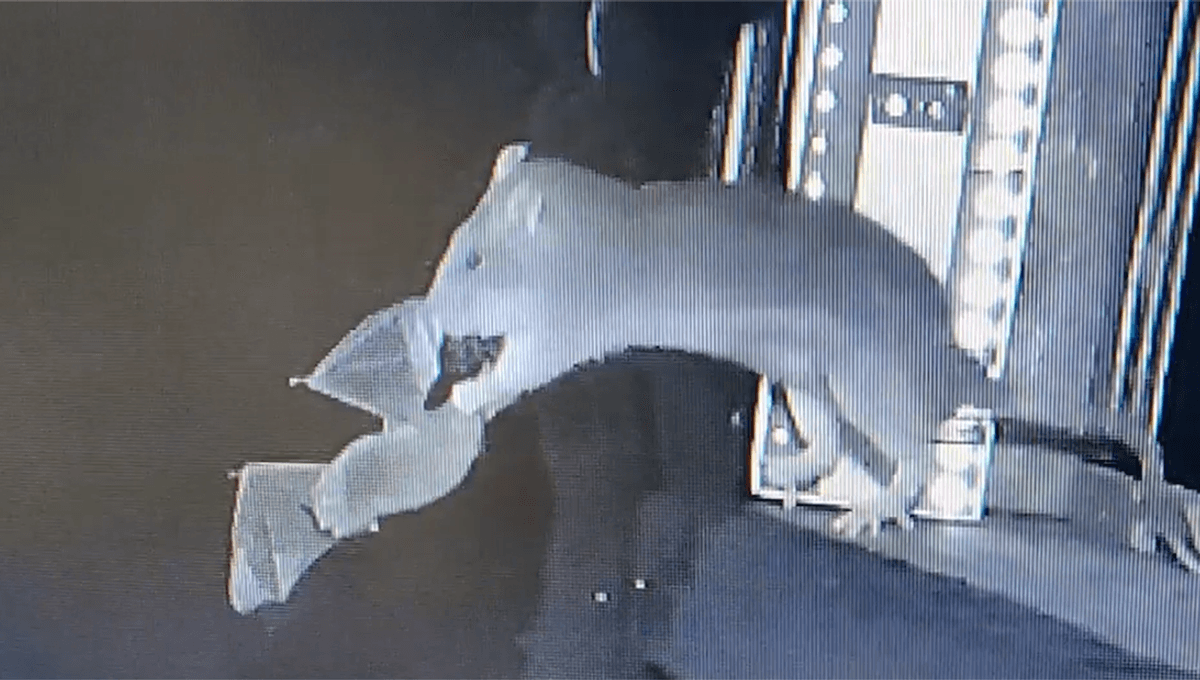
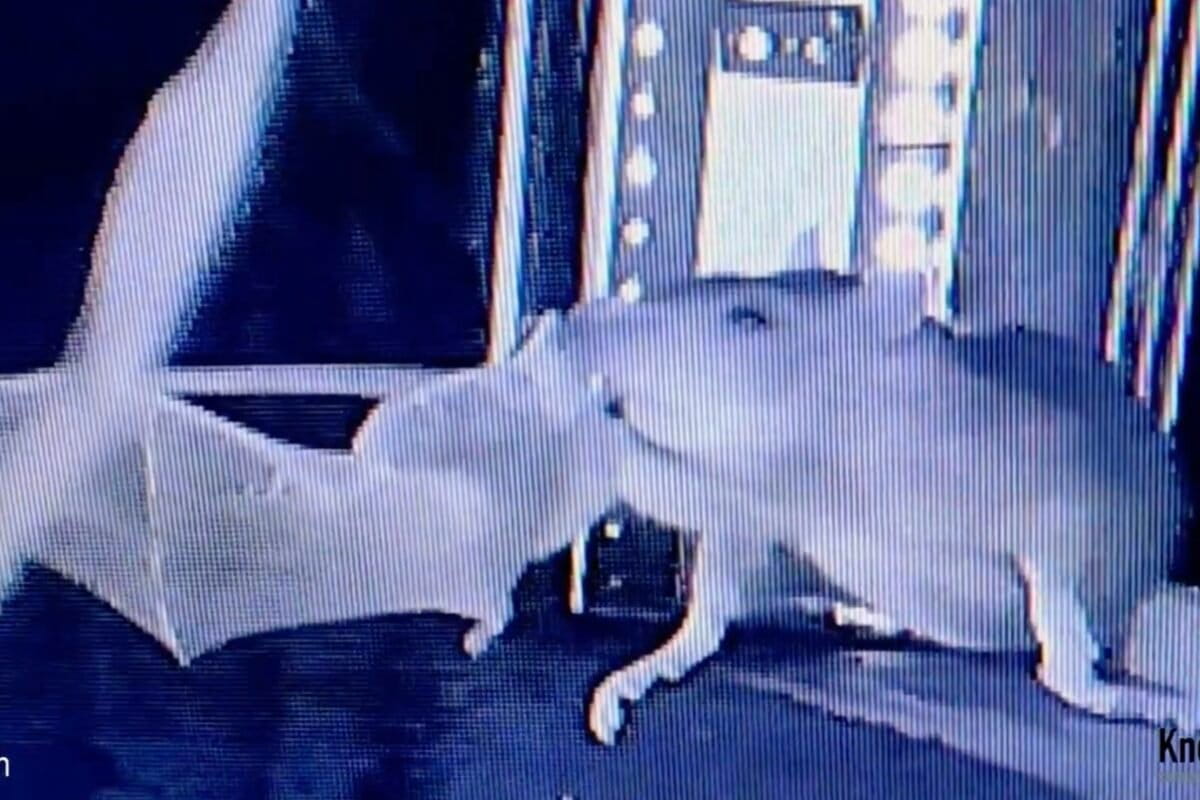
Yes, the same rodents that sneak into your pantry at midnight and shame you for leaving crumbs are now apparently training for airborne interceptions. Nature is not messing around.
Why this matters
On the surface, it sounds like “Haha rats eating bats — nature wins.” But dig a little deeper and you see it has three major implications:
Conservation Worry: Bats are already under pressure — habitat loss, climate change, disease. Now you add a fresh predator able to intercept them mid-air. At Bad Segeberg, even a conservative estimate suggests a small colony of rats could kill ~7 % of the ~30,000 bats that overwinter there.
Urban / Human Interface: These are rats thriving in human-modified environments — caves near theaters, parks. Bats overlap with humans (in the sense of roosting near urban areas), so the interaction isn’t purely wild.
Disease Spill-over Concerns: Both bats and rats are known pathogen reservoirs. When you’ve got predator-prey interaction, scavenged carcasses, closer proximity, you raise the potential for pathogen jump from bats → rats → humans/domestic animals. It’s a One-Health moment.
The take-away
Isn’t it wild that rats mastered a technique previously unseen — aerial interception of bats? They weren’t just going after grounded prey or scavenging; they actively positioned themselves for mid-air take-down.
For media folks, it’s a reminder: nature keeps us humble. The headlines that seem totally absurd sometimes end up real.
For marketers/communicators: this is a goldmine metaphor. Think “adapt or get snatched out of the air.”
For conservation & industry: keep one eye on the weird stuff. The next threat might be the one you didn’t see coming.
If I were advising a wildlife docuseries, I’d call this segment “Rodents’ Air Force: Strike at Dusk.” And I’d remind viewers: the next time you hear a small scratch in your walls or see a rat silhouette, maybe tip your hat — you’re looking at nature’s new contract killer. The rats have evolved from pantry pests to aerial predators. It’s like if your house-cat decided to pick off sparrows mid-flight — but scarier, because it’s real.