There was a time when being bored was a skill. You didn’t scroll through your phone—you made up entertainment. Usually at someone else’s expense. Like ringing a stranger’s doorbell and sprinting away laughing so hard you could barely breathe. “Ding-dong ditch” wasn’t about cruelty; it was childhood cardio.
We also used to know our neighbors. Not their Instagram handles—their kids’ names, their favorite casserole, which house had the good candy at Halloween. A whole street could shut down for a block party, folding tables groaning under potato salad, someone’s uncle on grill duty, kids running wild until the porch lights came on. Try organizing that now and the HOA sends a cease-and-desist before the burgers hit the grill.
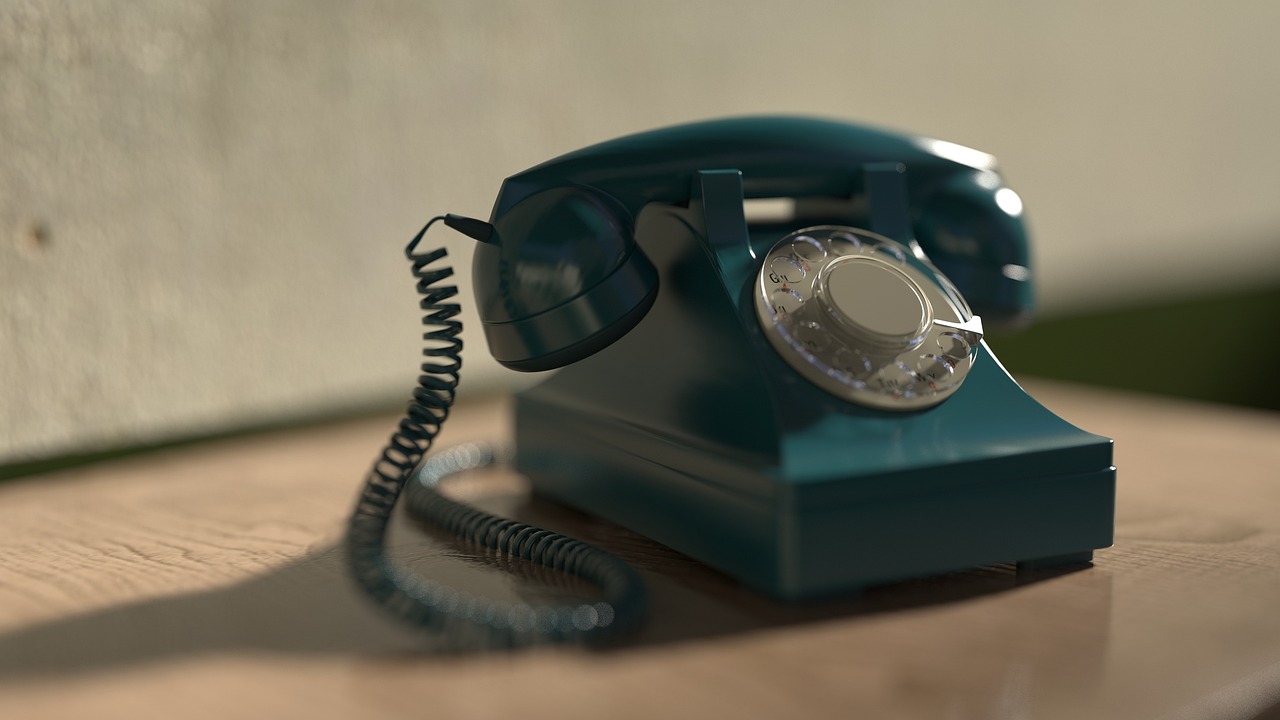
And remember prank calls? Nothing said “American mischief” like a rotary phone, a bored Friday night, and the immortal line: “Is your refrigerator running?” Now caller ID has ruined the art form. The closest modern equivalent is accidentally butt-dialing your boss, which isn’t nearly as fun.
We used to celebrate things in person, too. Fruit baskets, Christmas cards, handwritten notes—the analog ways of saying, “I thought of you.” Now it’s a group text and a GIF. Efficient, yes, but not exactly heartfelt. Somewhere along the way, “convenient” became the death of charm.
Even school reunions, those awkward but strangely comforting gatherings, have lost their purpose. Why show up to see who got bald when you can stalk everyone on Facebook in ten minutes? We traded hugs for updates, and no one noticed it wasn’t a fair exchange.
Bake sales, same story. They taught us community, teamwork, and the importance of not burning cookies. Today, it’s Venmo links and online fundraisers—nobody gets flour on their hands anymore.
Black Friday used to be a sport. People camped outside stores like they were tailgating for capitalism. Now it’s all “Black Friday Week,” which is corporate speak for “we’re out of ideas but still need your money.”
Appointment TV? Gone. We used to gather around a single glowing screen at a specific time, like a family ritual. Now everyone’s in their own algorithmic bubble, watching alone at 1:17 a.m. with subtitles on. Progress, apparently.
And fireworks—don’t get me started. We’ve outlawed backyard joy in favor of professional pyrotechnics. Safer, sure, but nothing beats the thrill of almost losing an eyebrow in your driveway on the Fourth of July.
Time didn’t just change our traditions; it outsourced them. The little pieces of culture that made us feel connected—to each other, to our towns, to the dumb fun of being alive—are quietly vanishing under a pile of notifications and Amazon boxes.
Maybe that’s the real nostalgia itch we all feel. Not for the past itself, but for a time when we made our own fun, and didn’t need Wi-Fi to do it.