I should say this up front, because it matters.
I love Wegmans.
My wife’s family in Rochester introduced us to it in the early ’90s, back when it was still something you had to explain to people. Wide aisles. Food that didn’t feel like an afterthought. A store that seemed, somehow, to be run by adults who shopped in it themselves. When Wegmans finally showed up near me in the New York City orbit, it felt less like a new grocery option and more like a long-delayed reunion.
So this isn’t coming from someone itching to cancel a brand or make a point with their shopping cart.
It’s also true that they’re private stores. Their buildings. Their cameras. Their rules. If Wegmans wants to deploy facial recognition technology, they’re within their rights to do it, assuming they follow the law. I’m not confused about that part.
What I’m tired of is how often that sentence ends the conversation.
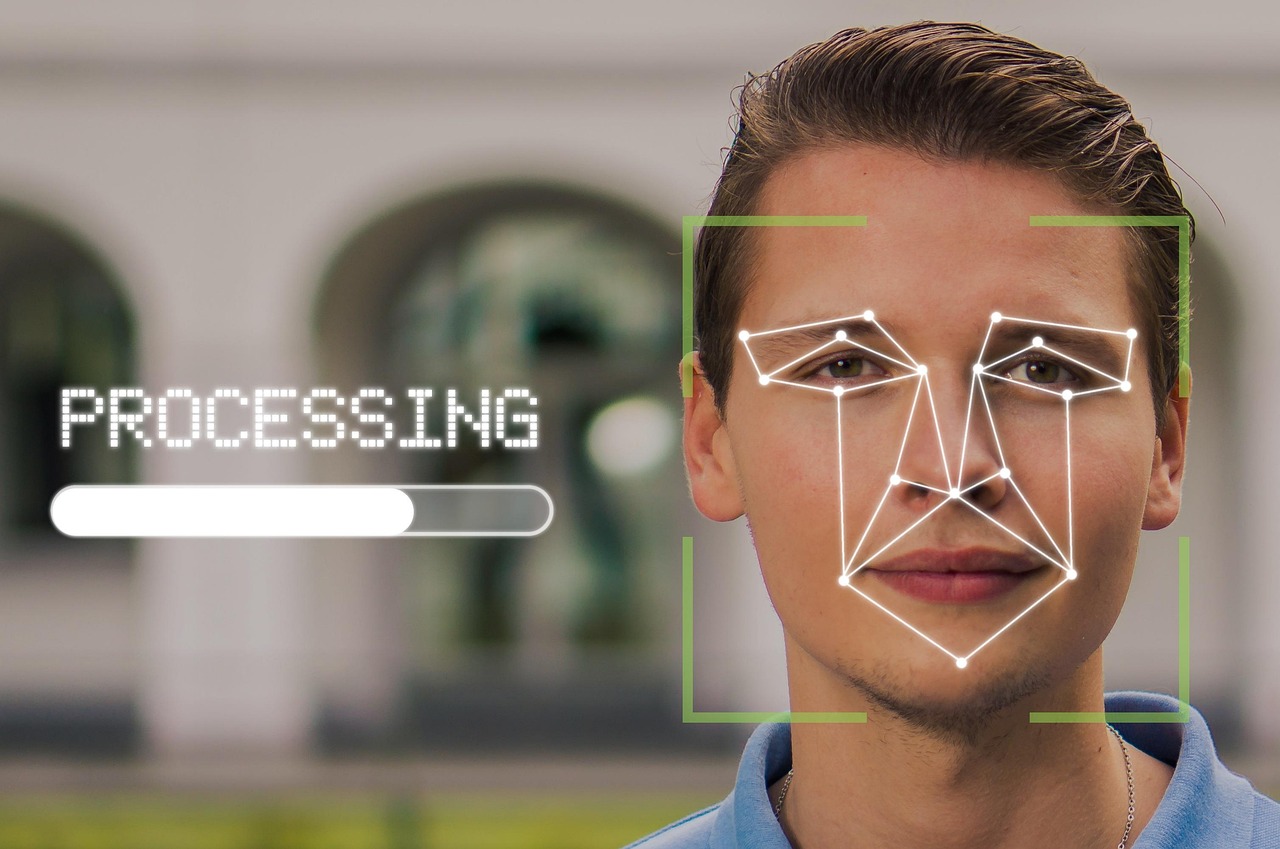
Wegmans has confirmed it’s collecting biometric data—facial recognition scans—in some locations, including in this region, as part of a security program. Signs at entrances disclose it. The company says the system is only used to flag people previously associated with misconduct, that data isn’t shared with third parties, and that retention is limited.
All of that can be true at the same time as something else being true: walking into a grocery store now comes with the low-level awareness that you’re being logged.
Nothing dramatic happens. You’re not stopped. No one explains anything. You just notice the sign, if you notice it at all, and keep walking. That’s kind of the point. Surveillance that announces itself politely and then fades into the background doesn’t feel like surveillance anymore. It just becomes part of the room.
And this is where my patience runs out.
I don’t think Wegmans is plotting anything. I don’t think a facial recognition system at a grocery store turns it into a dystopia overnight. I do think we’ve become far too casual about where “security” gets installed by default, and how often the burden of adjustment falls on everyone else.
Biometric data isn’t abstract. You don’t rotate it. You don’t revoke it. If it’s misused, misidentified, breached, or quietly repurposed years from now, there’s no reset button. That’s not paranoia. That’s just how faces work.
New Jersey’s privacy laws are evolving. Disclosure is required. Consent, in any meaningful sense, isn’t. A sign on the wall does the job. Legally, that may be enough. Culturally, it feels thin.
The part that bothers me isn’t even the technology itself. It’s the cumulative effect. Airports. Phones. Doorbells. Parking garages. And now grocery stores. Each step is reasonable on its own. Each one comes with an explanation that sounds responsible. Somewhere along the line, you realize there’s no place left where you’re not being observed by default.
I’ll probably still shop at Wegmans. Old habits, deep loyalty, genuinely good food. I’m not pretending otherwise.
But liking a store doesn’t require liking everything it decides to normalize. And being realistic about corporate rights doesn’t mean pretending Big Brother energy disappears just because the lighting is warm and the produce is nice.
I can love Wegmans and still be tired of this. Both things can be true.