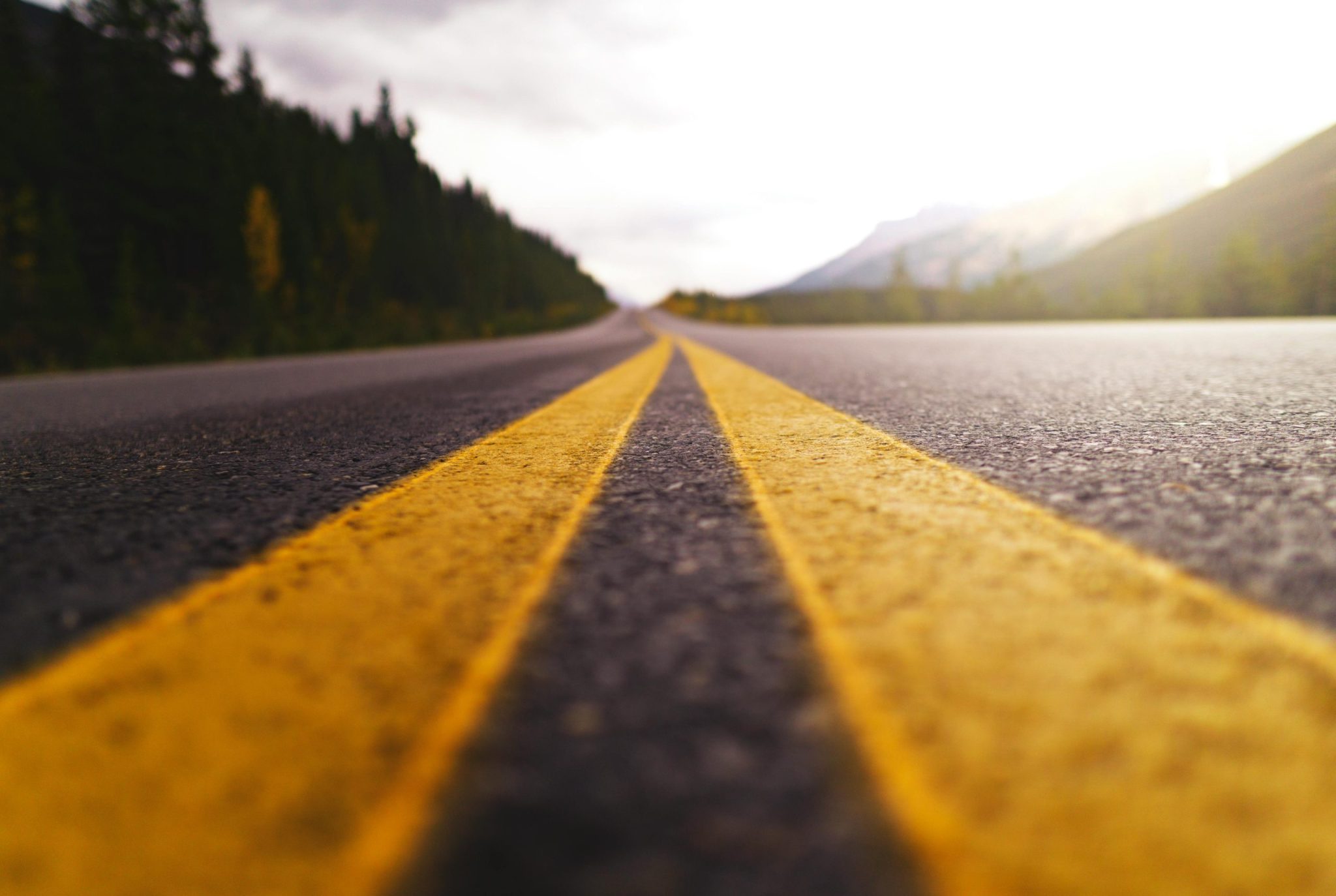
It started with a left turn that didn’t feel legal.
Not illegal either. Just… off.
The arrow leaned like a tired elbow had nudged it — not broken, not crooked enough to complain about, but not straight enough to trust. I slowed without thinking. So did the pickup beside me. Nobody honked.
That was the first clue.
Across a handful of American cities, traffic engineers are quietly experimenting with traffic calming psychology, repainting roads in ways that look wrong on purpose. No press conferences. No explanatory signs. Just asphalt that suddenly feels unreliable under your tires.
Drivers respond the same way every time.
They hesitate.
Which, it turns out, is the whole point.
When Traffic Calming Psychology Ditches Speed Bumps
Traditional traffic calming comes with baggage — speed bumps get voted down, cameras get sued, and enforcement gets politicized. So some cities tried something else. Instead of telling drivers what to do, they started making the road itself feel uncertain.
Visual ambiguity as public policy.
One city rounded its lane markers to make them less authoritative. Another used optical narrowing—lanes painted slightly closer together, still legal, but unsettling enough to trigger a subconscious flinch. In a Midwestern town, crosswalk stripes were painted at irregular intervals: close-close-far-close, like a piano scale that never resolves.
Accidents dropped.
Not dramatically. Then steadily. Then, enough that someone noticed.
And then… silence.
Why No One Wants to Explain Traffic Calming Psychology
Ask a city spokesperson and you’ll hear “routine maintenance” or “aesthetic updates.” Ask engineers off the record and the tone changes. They talk about drivers the way wildlife biologists talk about deer — habits, instincts, startle responses.
One admitted they borrowed from European “shared space” streets — minus the utopian language. No kumbaya. Just friction.
For decades, the American road has made a promise: bright white lines, clean arrows, total predictability. You stay in your lane, I stay in mine, and we pretend this is cooperation instead of choreography.
Traffic calming psychology breaks that contract.
It introduces doubt.
And doubt slows people down faster than any flashing sign ever has.
The Body Reacts Before the Brain Complains
There’s a commuter-heavy stretch where the center line gently drifts — not dangerously, just enough to register when you’re going too fast. Drivers ease off the gas before they can explain why. Hands adjust. Eyes narrow.
The body reacts. The brain catches up later.
That reaction is what cities are buying.
What they’re not buying is public trust — because explaining this openly would invite backlash. People hate being nudged without consent. Especially when the nudge comes from paint.
So the projects stay small. Pilot programs that never quite end. Grants that quietly expire. A few miles of strange lines here. Some oddly angled stop bars there.
Residents notice, of course. Forums fill up. Someone always claims the city hired a drunk painter. Another insists it’s a money laundering scheme.
The truth is worse.
The road is messing with you on purpose.
Uncertainty Works on the People Who Hate Being Told What to Do
What’s revealing — yeah, that word fits here — is how well traffic calming psychology works on people who swear they’re immune to this stuff.
The drivers who mock safety campaigns. The ones who complain about government overreach while speeding through school zones. They slow down anyway.
Not because they’re obeying.
Because they’re unsure.
Uncertainty is a powerful brake.
There’s a reason casinos avoid clocks and windows—a reason grocery stores curve aisles instead of laying them out like spreadsheets. Humans read environments faster than rules.
The road is no different.
When the Road Stops Lying
One city repainted bike lanes in muted gray instead of the usual screaming green. Cyclists hated it at first — said it felt invisible. Drivers, though, gave them more space. The lane no longer shouted “don’t cross.” It whispered, “Something’s different here.”
And whispers travel farther than shouts.
Critics call it manipulation. If you want people to slow down, lower the limit and enforce it. Don’t play psychological games with infrastructure.
Fair point.
There’s also a body count on roads that followed every rule perfectly and still failed.
Engineers don’t frame this as trickery. They frame it as honesty. Roads were never neutral. Every design choice already tells you how fast to go, how safe you are, how much attention you can afford to lose.
Wide lanes say “relax.”
Straight lines say, “You’ve got this.”
These new markings say, “Maybe pay attention.”
The Half-Second That Saves Lives
Near a school, a coastal city repainted the parking boxes, which were slightly misaligned. Parents complained. Said it looked sloppy. Drivers started making more eye contact with kids crossing the street.
That detail was not included in the report.
Someone noticed anyway.
There’s no grand rollout planned. No national standard. Traffic calming psychology is too subtle, too contextual, and too easy to undo when a new mayor wants the streets to look “clean” again.
But the idea’s out there now — like a rumor you can’t unhear.
That safety doesn’t always come from clarity.
Sometimes it comes from a bit of unease.
No plaques. No ribbon cuttings. Just fewer sirens, fewer hospital emails, fewer flowers taped to utility poles.
And a road that feels… slightly wrong.