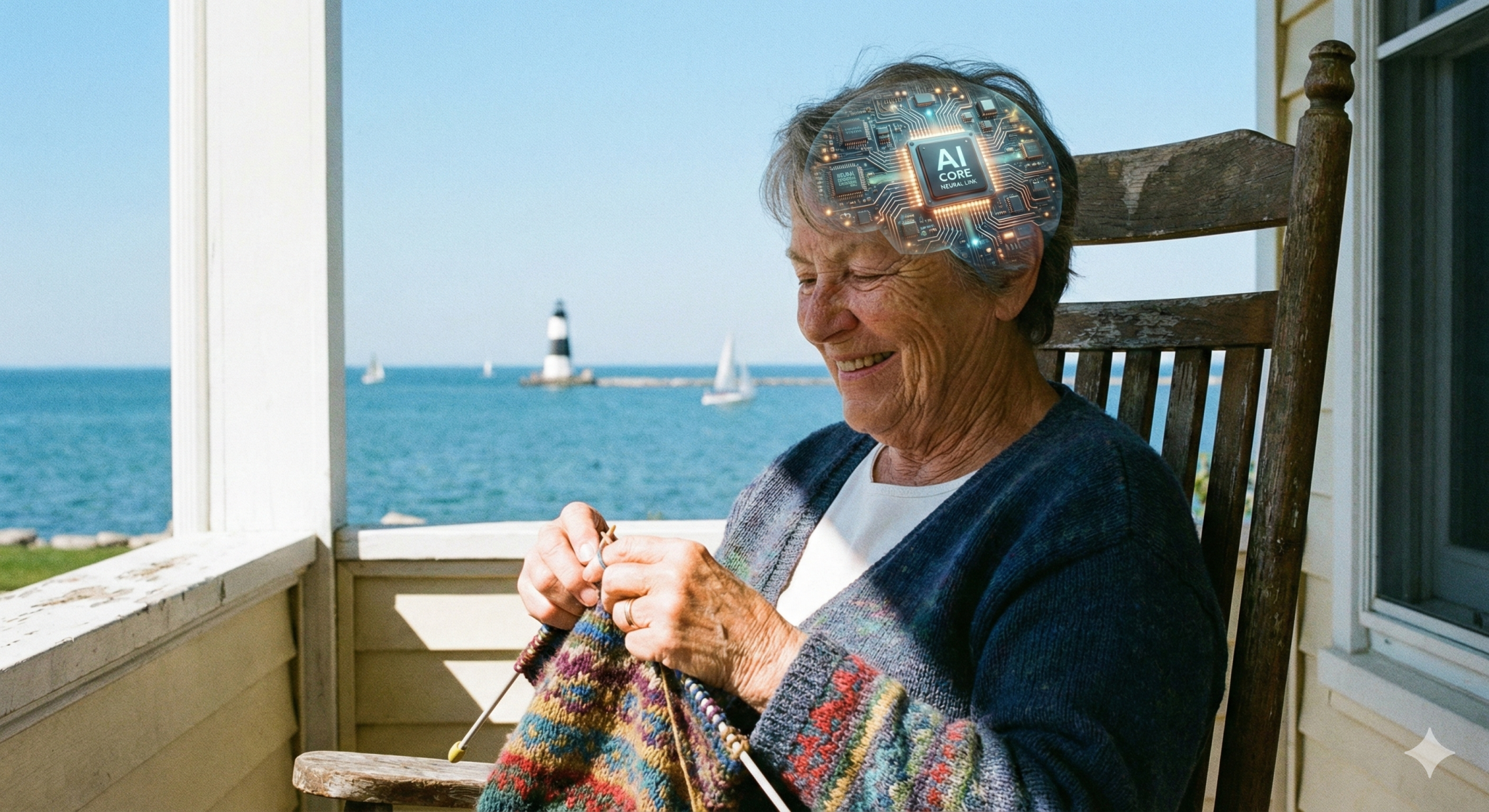
You’ve probably seen the ad. A warm photo. Soft light. Someone knitting on a couch that looks like it smells faintly of lavender. The text whispers “Hand-knit. Small batch. Family business.” Maybe it’s a holiday special. Maybe she’s retiring. It feels intimate. Human. Safe.
You click. You buy. It never arrives.
This is the new scam. Not busted WordPress themes or discount codes that scream “CLEARANCE” in size 48 bold. No, these are love letters dressed up as shops. Pages that read like an Etsy seller who’s been doing this for 40 years, except the face is fake, the story’s fiction, and the yarn? It’s digital.
One fake brand, “Melia & Co,” runs a whole origin story on a smiling woman who looks like she spent her life at a Vermont farmer’s market. Except that woman’s a model. The name is untraceable. And the domain? Registered last week. “Olivia Westwood Boutique” pulls the same trick—asks for your trust, then offers “global fulfillment partners” when you question why they don’t have an address.
You don’t need to squint to see the seams. They’re there if you bother to look. No old reviews. No paper trail. Copy that sounds almost too clean. Images with no shadows, no mess, no life.
AI is doing the heavy lifting. It’s building the shop, writing the copy, sketching the founder’s smile. And platforms like Instagram and Facebook are eating it up, serving it to you between baby pictures and brunch videos. Why? Because emotional bait gets engagement. And engagement gets reach. And reach gets suckers.
This isn’t about falling for some Nigerian prince. It’s about clicking “Add to Cart” on a fake heirloom. Because you thought you were helping a grandma keep her lights on.
That’s the game. Make you feel like a hero while they quietly take your cash.
And it works. Pew Research says a third of Americans who buy something online don’t get what they paid for. That’s not fringe. That’s epidemic.
The whole thing hinges on one emotion: trust. And AI is now sophisticated enough to mimic the cues that once proved authenticity. A heartfelt bio. A “handwritten” thank-you note. A profile pic that looks real because it was designed to.
So what now?
You check. That’s it. No silver bullet, no browser extension that saves the day. Just good old-fashioned skepticism. You Google the store. You check the domain age. You look for bad reviews, and if there are none, you ask why. You don’t trust “Made with love” until you see some proof that love exists.
Because the next time a cozy photo shows up mid-scroll, promising handmade mittens and a story that sounds like your aunt could’ve written it?
It might be human.
Or it might be bait.