There are bad decisions.
There are regrettable decisions.
And then there’s the “I hired a scarification artist to carve me up so I could report a violent political hate crime” decision — which is its own category somewhere between Maury Povich and unemployment line.
I read the DOJ release like someone watching a slow-motion car spinout in the rain. A 26-year-old employee connected to a federal official claims she and a buddy were attacked by three mysterious men who apparently shouted political insults mid-assault. She tells investigators the whole thing with a straight face. Except — as the FBI later figured out — the injuries? Paid for. Literally. She walked into a body-mod shop, handed over a design, and said, “Cut this on my face.”
And the shop said yes, which is its own documentary.
The planning gets worse. They bought zip ties. They searched for zip ties. The zip ties were found in the car like some bargain-bin episode of CSI: Walmart Edition. Every breadcrumb the investigators needed was practically gift-wrapped.
You can almost imagine the FBI agents sitting around a table going, “Wait… she paid someone to slice her up?” And then someone in the back whispering, “Oh she’s cooked. Turn the page, there’s more.”
Because here’s the part that hits me:
You work anywhere near federal government — even tangentially — and you’re expected to operate with a bare minimum of sense. Not brilliance. Not moral perfection. Just don’t stage your own hate crime. That bar is low enough you can trip over it.
But this wasn’t tripping. This was sprinting headfirst into the bar like a linebacker trying to break a tackling dummy.
I’ve been in media long enough to know when a story has legs, and this one has an entire track team. It’s the kind of miscalculation that turns into Google results that follow you through jobs, dates, reunions, and awkward Thanksgiving dinners.
And the motive? Who knows. Attention? Drama? A shot at becoming the main character on social media? Something else that’ll spill out in court filings?
Whatever the goal, she’s locked into a storyline now—one she can’t rewrite, edit, or spin. Because the second you fake an attack at a nature preserve and carve yourself up to sell the narrative… you’re not a victim anymore. You’re the punchline.
The wildest detail is that this wasn’t a heat-of-the-moment lie. This took planning. Money. Time. Texts. Google searches. A creative vision board, apparently. People put less preparation into weddings.
And the federal consequences?
Five years per count.
A quarter-million dollars per count.
Supervised release.
Plus the permanent “Oh yeah, you’re that person” label.
All for a story that unraveled within days because investigators know how to read phone records, talk to witnesses, and — minor detail — spot the difference between a real assault and a design-inspired cutting session.
It’s a tragicomic reminder of something I tell coaching clients:
You can’t build a brand on a lie without the truth eventually showing up with a megaphone.
And the truth in this case didn’t whisper. It printed out receipts.
So yeah — wild story. Ridiculous choices. Permanent consequences. And a front-row seat for the rest of us at the “What were they thinking?” film festival.
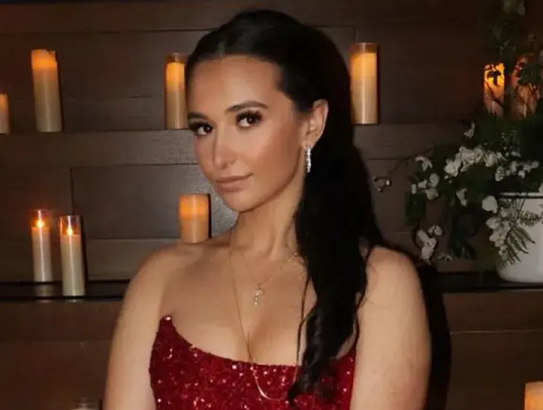
Photo Courtesy of Facebook/Natalie Greene