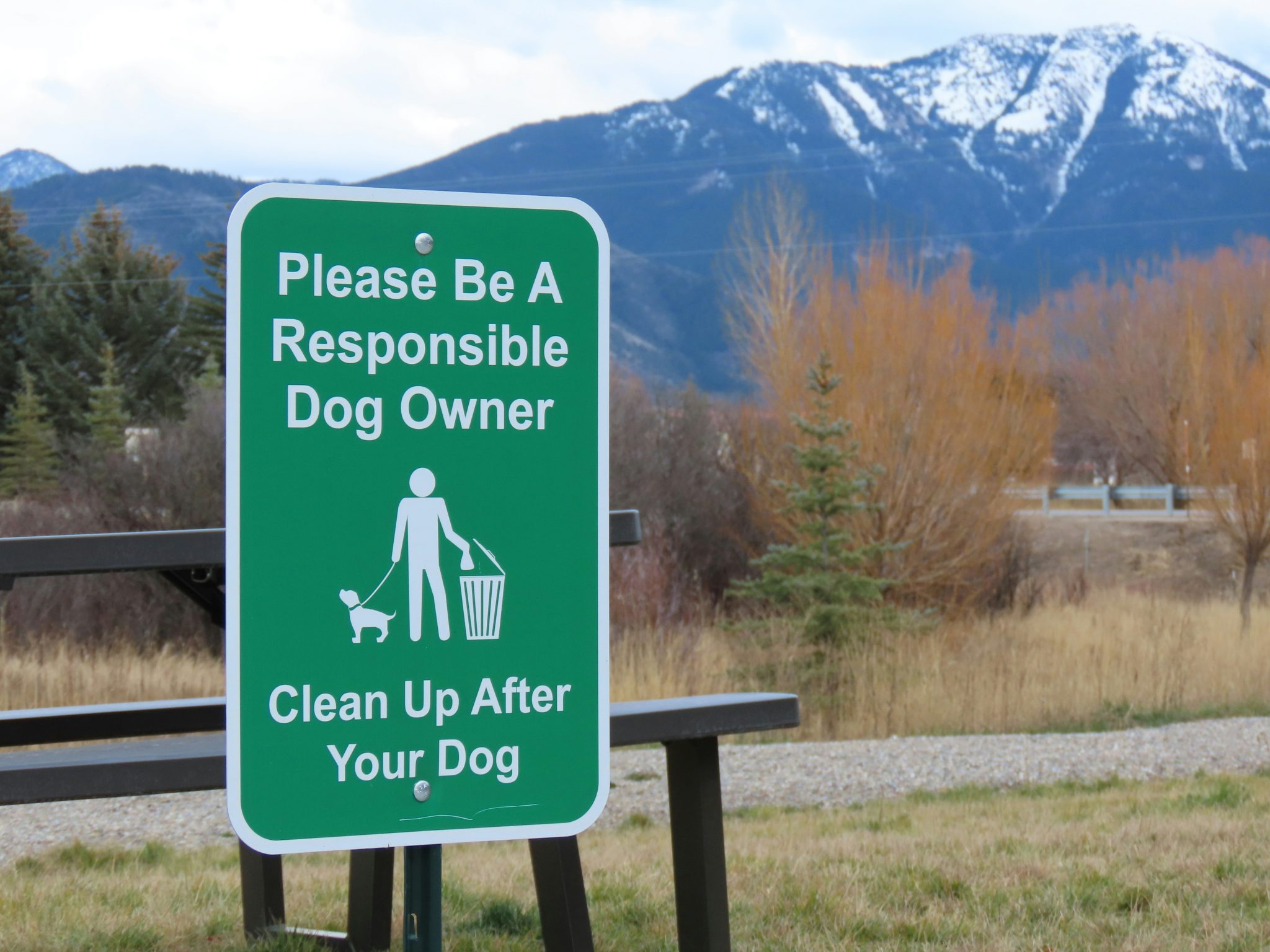
I was reading about a guy in Derbyshire, England — you know, the place where sheep outnumber humans and the hills look like a screensaver — and his name is Kyle Newby. He’s 39. And he makes over $30,000 a year scooping dog poop out of people’s yards.
Not as a gag. Not as a viral stunt. As an actual subscription service.
First visit: $40. Weekly cleanup after that: $20. Thirty-five regular clients. About twelve hours of work a week. The dog poop business is real, and it’s thriving.
If you’d pitched this in 1995, people would’ve laughed you out of the room. In 2026, it barely registers as weird. Right on cue.
A Real Job People Actually Want
Here’s what matters: Kyle isn’t out there hustling reluctant customers. They come to him. They pay him. And not because they’re lazy — though that’s the easy punchline — but because a lot of them physically can’t do it themselves.
Elderly folks who can’t bend over in the cold. People with disabilities. Families juggling three jobs and two toddlers who’d rather spend Sunday morning literally anywhere else. That’s the actual customer base.
People love to scoff at the idea of paying someone to pick up poop. But of course, there’s demand for it. It’s unglamorous work that still needs doing — and when no one else wants to hold the bag, someone gets paid to do it. Classic.
That’s not a punchline. That’s a side hustle.
The Work Behind the Joke
Let’s take it at face value: twelve hours a week, a scoop, some heavy-duty bags, disinfectant, and a willingness to get your hands dirty. That’s enough to earn more than a lot of full-time construction gigs in the same region. That’s not luck — that’s pricing labor where the market will bear it.
And it’s not just Derbyshire. Scroll through TikTok or YouTube and you’ll find Americans doing the exact same thing — building local followings, tying it into pet grooming services, turning it into mini-documentaries about “the grind.” Some of them are making serious money. Some are just covering gas. But the business model is the same: solve a problem people don’t want to solve themselves, charge accordingly, repeat.
The work itself looks like this: gloves, a long-handled scoop, biodegradable bags, maybe a hose if you’re feeling fancy. You go yard to yard. You clear the mess. You sanitize. You leave. Do it right and your clients stick around. Do it wrong and you’re just the guy everyone avoids at the grocery store.
More Dogs, More Demand, More Services
A couple of things are happening here — culturally, economically, all of it.
First: we have more dogs than ever. In a lot of neighborhoods, dog ownership isn’t a quirk anymore — it’s the default. Families have dogs. Singles have dogs. Retirees have dogs. More dogs means more waste, and more waste means someone’s gotta deal with it. That’s just supply and demand in its grimy, unglamorous glory.
Second — and this is the part people miss when they’re busy giggling — people will pay for anything that solves a problem they can’t or won’t solve themselves. That’s not laziness. That’s prioritization. If you’re 72 and your knees don’t work as they used to, or you’re juggling two kids under five, or you’ve simply decided you’d rather spend your Saturday doing literally anything else — that’s a real choice. And real choice is what separates “haha, dog poop” from “people actually pay for this.”
What This Says About Work in 2026
There’s a moment here that’s more interesting than the setup. People who laugh at the phrase “dog poop business” are missing the actual trend underneath: a service economy that’s redefining what we consider work.
Cleaning up after dogs isn’t glamorous. It’s not boardroom material. It’s not going on anyone’s LinkedIn headline. But people need it. They’ll pay for it. And someone’s willing to do it.
A couple of decades ago, this would’ve been a curiosity — maybe a local news human-interest story with a wink and a nod. In 2026, it’s just another feature of how we assign value and define labor in everyday life.
Not everyone wants to do it. And that’s exactly why someone else will.
P.S. If you’re reading this and thinking “maybe I should look into one of these unglamorous-but-profitable gigs,” I wrote a whole book about it. 101 Popular Senior Side Hustles covers everything from pet sitting to freelance writing — practical ideas for people who want to stay busy, make some money, and skip the corporate nonsense. It’s on Amazon for a few bucks. No fluff, just options. Here’s the link since credit matters: https://www.amazon.com/dp/B0DWY311GK