A 5-pound family pack of chicken breast cost $15.01 in January 2020. Today, that same pack runs about $20.40. The eggs you bought for breakfast doubled in price, then crashed. Ground beef climbed 45%. Coffee — because the universe has a sense of humor — shot up 54%.
MLive crunched six years of grocery receipts across Michigan and the Midwest, and the numbers confirm what your bank account already knew: grocery price inflation isn’t some abstract economic concept. It’s the reason your weekly haul feels like a hostage negotiation.
According to the U.S. Bureau of Labor Statistics, grocery prices in the Midwest rose 29.7% between January 2020 and December 2025. In Michigan specifically, Datasembly tracked a 38.5% increase over the same period. That’s not a rounding error — that’s a structural shift in what it costs to feed a household.
The Inflation Story They Keep Telling You
Economists love to say inflation is “cooling.” Technically true. The rate of price increases has slowed. But here’s the part they bury in footnotes: prices themselves aren’t coming down.
Josh Hilton, a visiting professor at Grand Valley State University’s Seidman College of Business, spelled it out plainly: “Even if consumers don’t necessarily feel like prices are coming down, inflation, the growth in prices, is coming down. Prices themselves are not going down.”
Translation: the bleeding has slowed, but the wound’s still open.
Deflation — actual price drops — sounds appealing until you realize it tends to accompany economic collapse. So the best-case scenario, according to experts, is that prices “stabilize.” Which is a polite way of saying “get used to it.”
The Rollercoaster Items
Some grocery staples behaved like manic stock tickers over the past six years.
Eggs peaked at $6.40 a dozen in March 2025 after bird flu tore through commercial flocks in 2022. By December 2025, they’d dropped to $2.71 — still 46.6% higher than pre-pandemic levels in Michigan. The egg aisle became a real-time economics lesson, complete with panic buying and conspiracy theories.
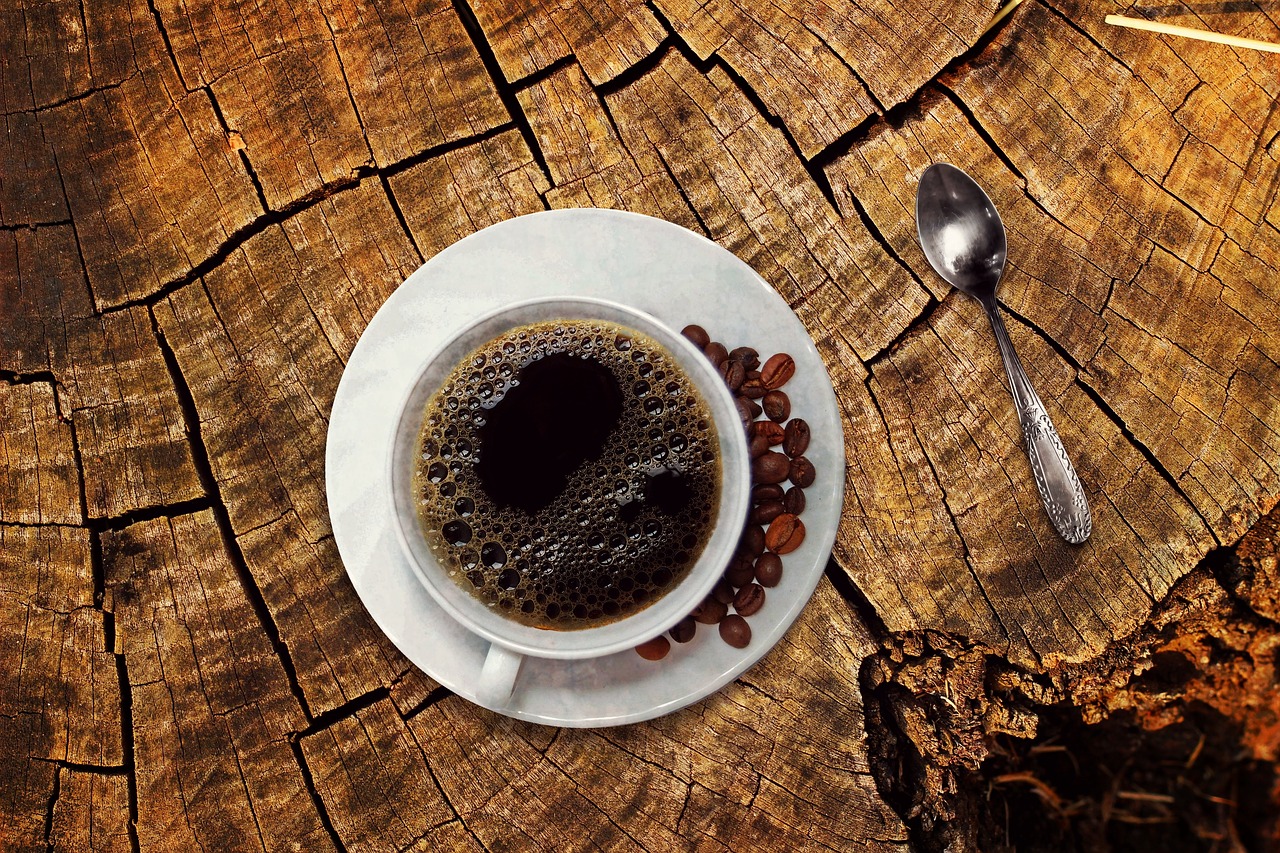
Coffee went from $4.17 a pound in January 2020 to $9.05 today — a 53.9% jump. Blame climate change wrecking yields, then add Trump’s short-lived 40% tariffs on Brazilian imports for good measure. Those tariffs got yanked in November 2025, but the damage stuck. Hilton’s prediction? “Maybe in 2026 we’ll start to see coffee prices come back down. But it may be the case that consumers just have to get used to the higher price.”
Ground beef climbed from $3.70 per pound to $6.75 — a 45.2% increase. Meatpacking plant shutdowns during COVID kicked things off, but the real driver now is a shrinking cattle herd in its natural contraction cycle. Strong demand isn’t helping. Neither are the new HHS dietary guidelines elevating red meat to “staple food” status and encouraging beef tallow in cooking. More demand, less supply — the price pressure writes itself.
The Steady Creepers
Not every item spiked dramatically. Some just climbed quietly, compounding over time.
Potato chips went from $4.09 per pound in January 2020 to $6.47 in December 2025 — a 58.2% increase. Fertilizer costs, labor shortages, and climate change, which threaten Pennsylvania’s potato harvests (snack food central), all contributed. When local potatoes fail, chip makers ship from Idaho, and transportation costs get baked into the bag.
White bread and potatoes stayed mostly flat, offering the rare grocery aisle reprieve.
What Actually Happened
The grocery price inflation story isn’t one thing — it’s a pile-up of disruptions.
Restaurants closed in 2020, so everyone panic-bought groceries. Supply chains buckled under COVID outbreaks and labor shortages. Farm labor dried up due to visa restrictions. Then Russia invaded Ukraine in 2022, spiking wheat and fertilizer prices globally. Bird flu hit the same year, decimating egg supplies.
Each factor compounded the next. The system didn’t break cleanly — it frayed in a dozen places at once.
The New Normal
Midwest grocery prices rose just 1.8% over the past year, which sounds manageable until you remember they’re starting from a base that’s already 30-40% higher than six years ago.
The math isn’t reversing. The receipts don’t lie. And the experts keep using words like “stabilize,” when what they mean is: “This is the floor now.”
Your grocery cart costs more because everything upstream costs more, and no one’s willing to absorb the difference. The chicken’s $20. The coffee’s $9 a pound. The eggs are cheaper than last year but still expensive.
Welcome to the new baseline…