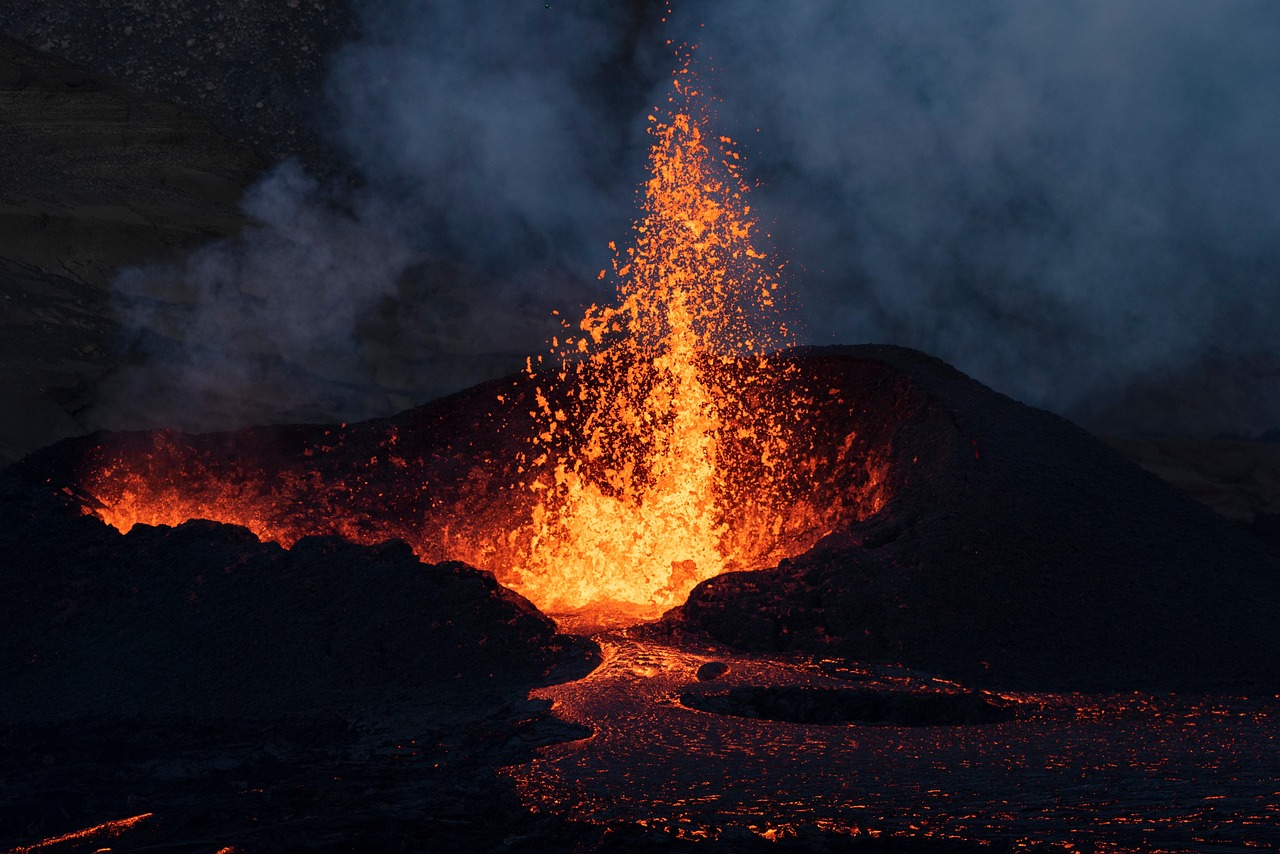
There’s something about fire on the horizon that grabs us — especially when that fire is molten rock flowing down the flank of a volcano. Mount Etna in Sicily, Europe’s most active volcano, lit up again this winter with lava flows that have tourists itching to get nearer. But what struck me reading about the recent tour guide protests wasn’t the spectacle — it was the sense of disbelief that people really want to stand that close to danger.
For years, guided hikes up Etna have been a hot ticket: slow lava flows, dramatic glows after dusk, an experience that photographers and adventurers swear is unforgettable. But authorities in the Catania region — reacting to eruptive activity that began around Christmas — introduced new safety rules intended to pull people back from the brink, literally. These measures ban excursions after dusk, enforce a strict 200-meter minimum distance from active lava, and uphold tight group limits with drone monitoring to make sure no one sneaks closer.
Guide associations aren’t happy. They see the rules as heavy-handed — a kind of bureaucratic override of their local expertise. They’ve gone on strike, calling the limits excessive and saying the lava is slow and predictable enough that trained guides can keep people safe like they always have. Some visitors even sympathize, lamenting cancelled tours and missed chances to see Etna’s fiery show.
But here’s the thing: this idea that you can get close enough to feel the heat and be fine always strikes me as a kind of gamble that only seems worth it because adrenaline masks reality. Lava might be slow, but it’s still molten rock. Conditions on a volcano can shift quickly — ground unstable, pockets of toxic gas underfoot, unpredictable bursts from vents. It’s the kind of environment that doesn’t care if someone is curious. The reason people get injured or worse on volcano hikes isn’t folklore or fearmongering — it’s because shit happens. And “shit” in this context involves boiling gas, sudden steam explosions, unstable slopes, and molten rock that can change course without warning.
So when I read about guides protesting, part of me gets it: their livelihoods are on the line. Tourism around Etna isn’t just casual sightseeing — it’s a bread-and-butter business for local operators. They’ve built a system where their knowledge makes risky terrain accessible. But the other part of me thinks the core question is being ignored: just because we can get closer doesn’t mean we should. Is edging to within a few dozen metres of scarlet lava flow really a rational choice when the downside is catastrophic?
I mean, look — nobody sets out to get hurt. Curiosity is human. Volcanoes are primal and awe-inspiring. I get it. But there’s a difference between keeping a respectful distance and flirting with danger for the thrill of it. This isn’t some backcountry cliff where a slip might bruise an ego. When molten lava is involved, “shit happens” isn’t just a saying — it’s a realistic scenario.
At the end of the day, safety measures like the 200-meter buffer and daylight limits aren’t arbitrary. They come from observing patterns of behavior, assessing risk, and saying “maybe let’s not test fate today.” If guides can find a compromise that keeps their profession alive and doesn’t leave tourists in avoidable peril — great. But let’s not romanticize proximity to disaster.
Because here’s the truth that doesn’t get said enough: Nature doesn’t need an audience at arm’s length. It exists whether we watch it or not. Our safety, though? That’s on us to respect.