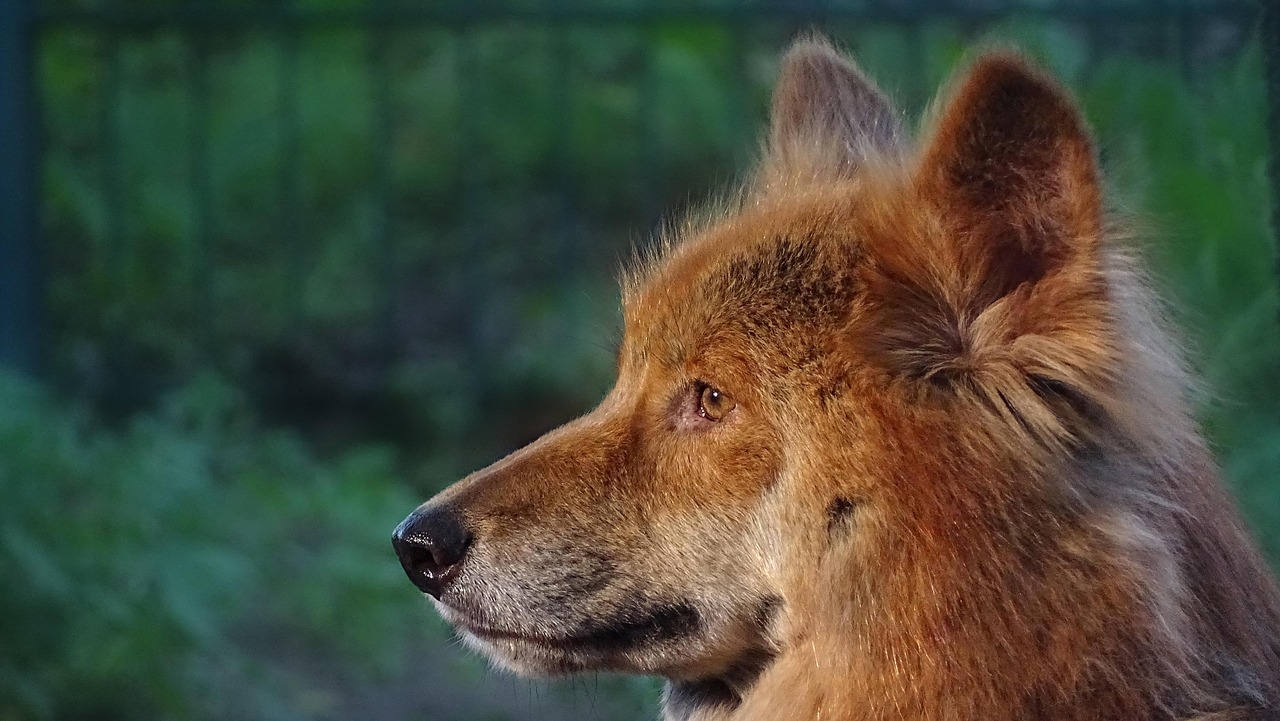
When Queensland wildlife officers suggested letting people legally keep dingoes as pets, the country collectively tilted its head — the same confused angle dingoes give before deciding whether to play or pounce.
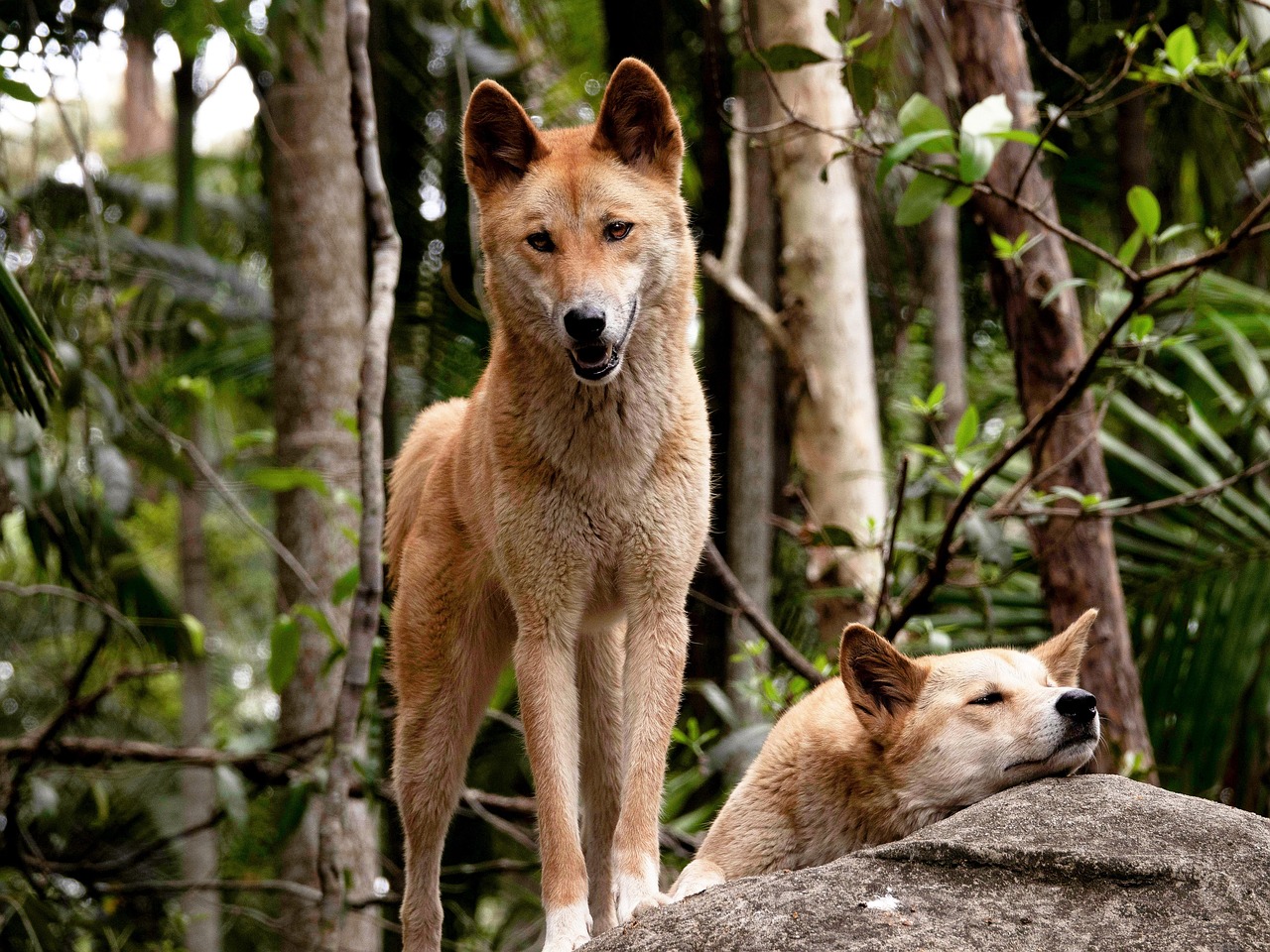
Could Australians really bring one of their oldest wild predators indoors, slap on a collar, and call it “man’s best mate”?
Right now, dingoes are officially pests in many regions — blamed for livestock attacks and the occasional missing pet. The new proposal would reclassify them, allowing individuals to apply for special permits to keep and breed them. Supporters say these animals are already generations removed from their wild ancestors: socialized, affectionate, loyal. Opponents say that’s wishful thinking.
Spend an afternoon with a dingo owner and you’ll understand the tension. They can be sweet, brilliant, deeply bonded — and then, without warning, scale your fence like Spider-Man and vanish into the scrub. One Queensland owner told reporters, “It’s like living with a wolf that sometimes forgets it’s a wolf.”
That’s the point, really. We want the thrill of the wild without the chaos that comes with it.
The Law’s Catch-Up Game
Queensland’s plan is part of a broader global identity crisis: we keep redefining what counts as “domestic.” From foxes in Eastern Europe to prairie dogs in suburban America, the urge to bring the wilderness home is growing faster than the laws to contain it.
And when those animals go viral — the “hugging dingo,” the “friendly coyote,” the raccoon doing dishes — the temptation becomes irresistible. Regulation always arrives late to the party, holding a clipboard.
The Wolf-Dog Parallel
America’s mirror species is the wolf-dog hybrid. Legal in some states, banned in others, it carries the same contradiction — a creature halfway between companion and wild spirit.
Rescue centers are full of wolf-dogs surrendered when the fantasy fades. People realize that “half wolf” doesn’t mean half responsibility. It means an animal that can’t decide whether to nap by the fire or chew through the door to chase deer.
Coydogs — part coyote, part dog — are even rarer, yet their legend persists. The idea of a semi-tame trickster dog feels inherently American: rugged, defiant, slightly ungovernable.
And then there’s the internet’s favorite outlaws — pet raccoons. Their little hands, the expressive faces, the chaos. They’ll cuddle you, then steal your wallet and hide it in the couch cushions. Adorable until they start redecorating your kitchen.
Science Says “Not So Fast”
True domestication isn’t a training project; it’s evolution in slow motion. It rewires instincts and even reshapes faces.
The dingo hasn’t crossed that threshold. It’s too new, too close to the wolf in both mind and muscle. In the mid-20th century, Russian scientists selectively bred foxes for friendliness — after forty generations, they started wagging tails and developing floppy ears. Dingoes? They’re still on page one of that experiment.
The Cultural Knot
This debate isn’t just about laws or safety — it’s about identity. For Aboriginal Australians, dingoes are spiritual guides, protectors, even family. Turning them into backyard pets risks trivializing that connection. But banning them entirely risks erasing it from modern life.
That contradiction defines the dingo: the wild heart that refuses to be domesticated.
So maybe the real question isn’t whether we can tame the wild, but whether we should want to. Every generation redraws that boundary between admiration and control.
As one wildlife officer put it, half-smiling, “You can put a leash on the wild, but it always remembers the way home