Every now and then, a piece of technology doesn’t just work—it shows off.
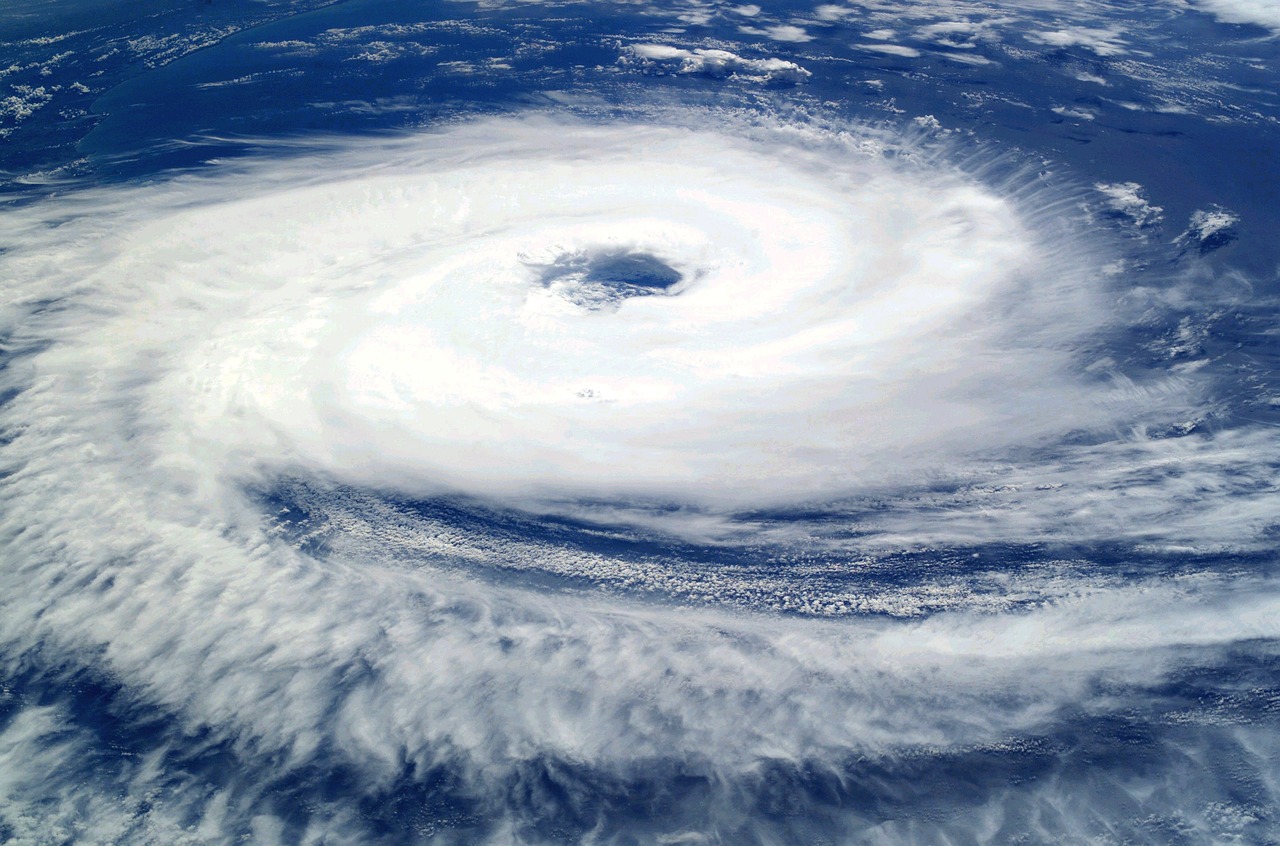
That’s what happened this hurricane season when Google’s new AI weather model outperformed some of the world’s most respected forecasting systems. As reported by Ars Technica [¹], Google DeepMind’s “GraphCast” didn’t just hold its own—it often beat traditional models run by the European Centre for Medium-Range Weather Forecasts (ECMWF), the same group that’s set the gold standard for decades.
Let that sink in. A neural network outperformed a $100 million forecasting infrastructure that’s been refined for half a century.
And here’s where I laugh—because I once tried to be that human forecaster.
I studied four years to become a weatherman. My mom was a TV coach for on-air talent—anchors, sports reporters, weather folks. Her business partner was an agent who said, “We can make him the next local weather star.” It sounded like destiny. I loved storytelling, media, and the idea of explaining chaos to an audience.
Then came the big senior exam: predict the weather for the next 30 days.
No computers, no AI, no digital models. This was the era of pencils, maps, and raw meteorological math. I spent days crunching data by hand, cross-referencing fronts, pressure systems, and Gulf temperatures.
My forecast? Hot, humid, hurricane weather.
The result? Two feet of snow. Wind chills. Blizzard conditions. I had inverted one formula, and the result was the meteorological equivalent of saying “sunny skies” during a nor’easter. I earned a D– and a gentle suggestion from my professor to pursue a different career. (Which, looking back, was excellent advice.)
So yeah, watching Google’s AI nail hurricane tracks I couldn’t have dreamed of calculating—it’s humbling. And honestly, impressive as hell.
GraphCast’s secret isn’t brute force—it’s speed. It can process global weather data in under a minute, updating forecasts faster than any supercomputer on Earth. When a storm veers off course, it sees it before the rest of us can refresh the radar.
Grist noted [²] that this kind of AI forecasting could redefine how we prepare for climate-fueled extreme weather. And that’s not hype—it’s reality. Weather shapes behavior, economy, insurance, even politics. Whoever owns the forecast owns the narrative.
And that’s where the media story kicks in.
For decades, the public’s trust in weather has been emotional. People tuned in not for the radar, but for the reassurance. They believed in faces like Jim Cantore, Al Roker, and their local meteorologists because forecasting wasn’t just science—it was storytelling.
Now, the new “weatherman” is a neural network. No smile, no banter, no panic tone before landfall. Just data—and results.
If Google’s AI keeps getting it right, it could become one of the most trusted “voices” in media, even if it doesn’t have a voice at all.
As someone who once called for hurricanes and got snowdrifts instead, I say: thank God the machines are finally taking over the weather.