Dave Chappelle stood outside a restored 19th-century schoolhouse in Yellow Springs, Ohio, on Thursday—not for a Netflix special, not for a comeback tour, but for a ribbon-cutting ceremony that probably won’t trend on Twitter.
The Union Schoolhouse, built in 1872, once served as one of the village’s earliest integrated schools. Then it housed municipal offices. Then, small businesses. Then it sat vacant for years—the kind of building that gets torn down or turned into luxury condos in most towns.
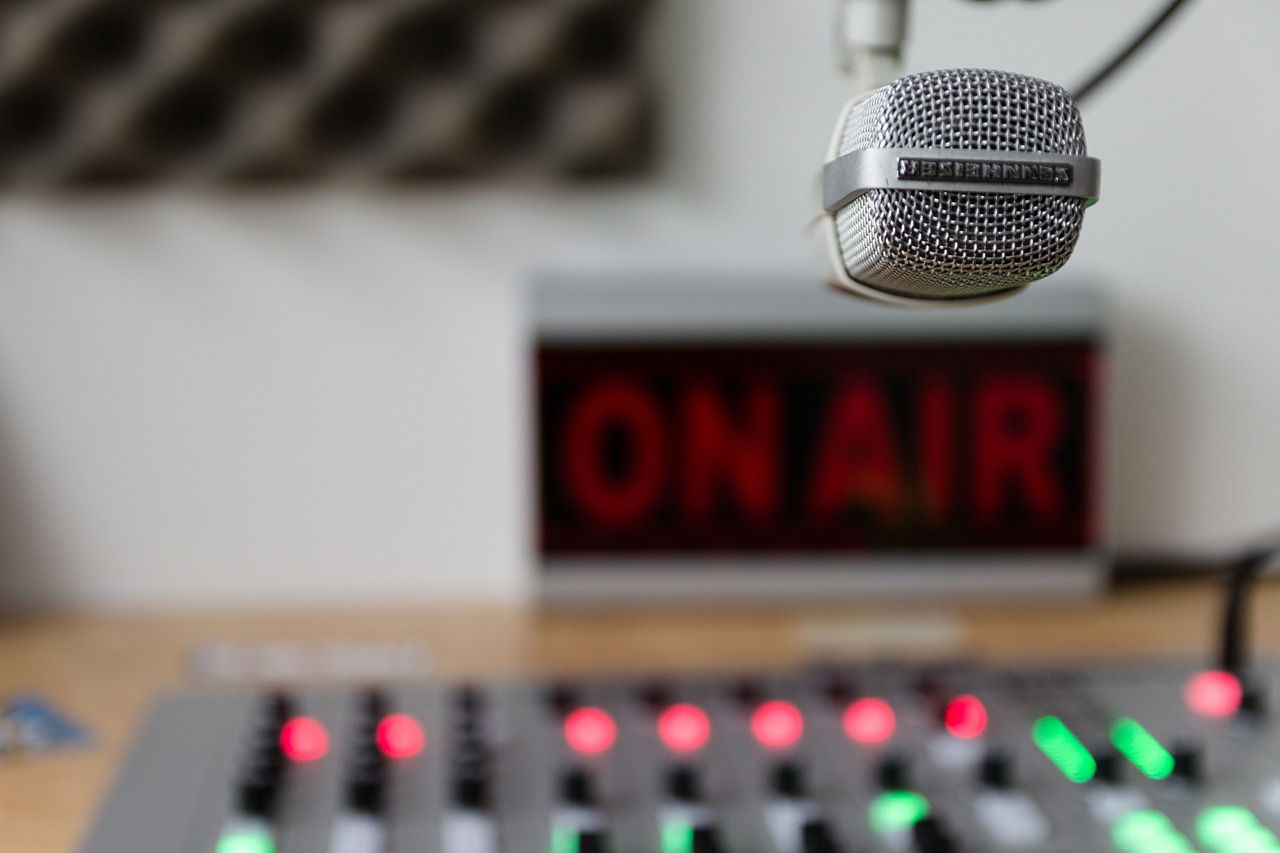
Chappelle’s real estate company bought it in 2020. Now it’s the new home of WYSO, a 68-year-old public radio station that was facing relocation to nearby Dayton—a move that would have gutted its connection to the community it serves.
“It’s like our lifeblood in the community,” Chappelle told the AP. “If they left, it would have been a crushing blow.”
The Quiet Crisis in Local Media
Local media outlets are dying. Not slowly—rapidly. Newspapers fold, radio stations consolidate, and entire towns lose the institutional memory that comes from having someone paid to pay attention.
WYSO is a rare exception: a station that’s growing instead of shrinking, expanding instead of consolidating. But that didn’t happen by accident—it happened because someone with resources decided to invest in infrastructure rather than just write a check.
Chappelle didn’t donate money. He bought a building, restored it, and leased it to the station at terms that allowed them to stay independent. The lower floors are now WYSO’s broadcast facility. Chappelle’s offices occupy the top floor.
“Dave has never made a suggestion about our programming,” said Luke Dennis, WYSO’s general manager. “We belong to the community.”
That’s the difference between patronage and partnership—one comes with strings, the other comes with space.
Yellow Springs: Population 3,700, National Attention
Yellow Springs has been central to Chappelle’s life since childhood. His late father was the dean of students at Antioch College. Chappelle spent summers in the village and now lives on a 39-acre farm with his wife and three children.
He’s not just a resident—he’s embedded. He’s opened a comedy club downtown, hosted pandemic-era performances in a cornfield, spoken at town meetings, and invested in local properties. The Union Schoolhouse is part of a broader pattern: someone with means choosing to anchor themselves in a place rather than extract value from it.
“If you have the opportunity, like I did, to invest in your community, then it’s one of the greatest investments I’ve ever made,” Chappelle said. “In some ways, it feels dutiful. Other times I feel proud. But ultimately, I’m doing it because I want to, not because I have to.”
More than 200 people showed up for the ceremony—Yellow Springs Mayor Steve McQueen, Dayton Mayor Shenise Turner-Sloss, neighbors, station staff, and residents who’ve listened to WYSO since high school.
Mark Willis, a local resident, put it plainly: “They’re not out of a big city. They’re not subject to censorship by a sponsor. They tell the truth, they tell the stories, and it’s rare these days. To see them growing instead of shrinking is beautiful.”
What Happens When the Money Leaves
Public radio stations in smaller markets face the same pressures as every other local outlet: shrinking budgets, audience fragmentation, and the gravitational pull of larger markets. The default response is consolidation—move to a bigger city, cut costs, serve a broader (and therefore blander) audience.
WYSO was headed in that direction. Chappelle’s investment changed the trajectory.
“We’re in a place of strength,” Dennis said. The new facility includes performance space, gathering areas, and expanded capacity for programming—things that don’t happen when you’re scrambling to survive.
Chappelle described the station as “a beacon for sanity,” offering “a solid baseline of truth in context” in an increasingly fragmented information landscape.
Translation: when everything else is optimized for engagement, rage, and virality, a station that just reports what’s happening in your town starts to feel radical.
The Bigger Pattern
This isn’t a feel-good story about a celebrity saving the day. It’s a structural story about what happens when someone with resources decides to invest in the unglamorous work of keeping institutions alive.
Chappelle didn’t build a new studio or launch a podcast network. He restored a 150-year-old building and made it available to an organization that was already doing the work. The station retains editorial independence. The community retains access. The building stays standing.
“I’m more determined and inspired that these institutions flourish and stay for the people,” Chappelle said after the ceremony. “The only way they can do that is with the people supporting them.”
The Union Schoolhouse is now a multiuse space—radio station, offices, gathering place. It’s also a reminder that preservation and development don’t have to be opposites.
Sometimes the best investment is the one that keeps something from disappearing.