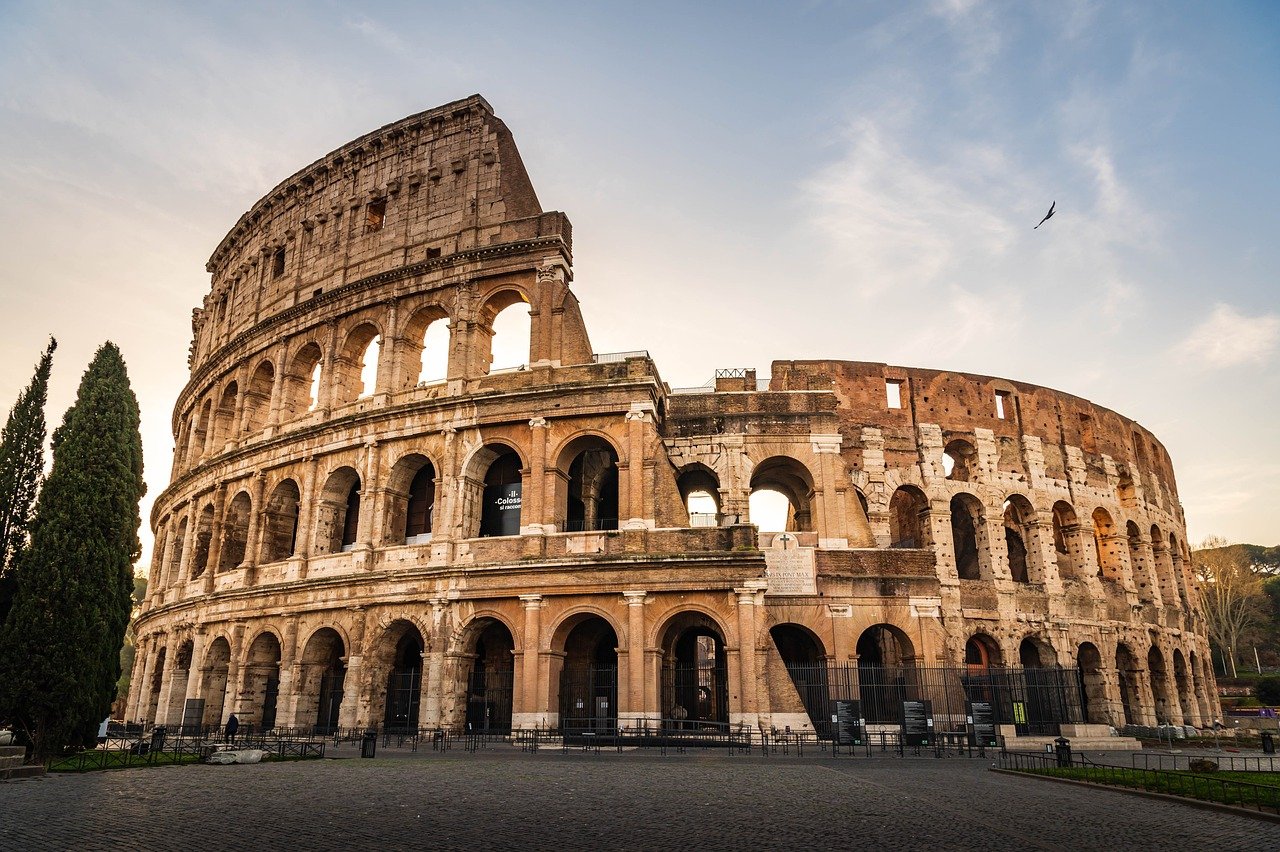
There’s a familiar rhythm to these warnings. A solemn tone. A handful of Roman references. A quiet certainty that this time the collapse is absolute, imminent, and morally clarifying.
Enter the latest declaration of the coming dark age, confidently announcing that Western civilization is on the brink — not drifting, not struggling, but actively packing its bags and forgetting how roads work.
This genre never changes. Only the footnotes do.
The Rome Button Gets Pressed Again
Rome is always the first stop. It’s the historical equivalent of pulling the fire alarm — dramatic, universally understood, and rarely proportional to the situation.
Yes, Rome fell. Slowly. Unevenly. Over centuries. While people continued farming, trading, arguing, building churches, writing laws, and generally refusing to vanish on cue.
But nuance ruins a good warning. So Rome becomes shorthand for moral decay, institutional rot, and the idea that once standards slip, the lights go out forever.
Which is tidy. And wrong.
The “Dark Age” That Wasn’t
The so-called Dark Ages were not a civilizational blackout. They were a downgrade in complexity — fewer resources, less centralized power, slower communication. That’s not the same thing as collective amnesia.
Universities emerged. Legal traditions survived. Architecture advanced. Theology got complicated in ways nobody asked for. Civilization didn’t disappear — it reorganized under worse management.
Not exactly a cautionary tale for the ages. More like a reminder that history resists clean endings.
Declinism, America’s Oldest Hobby
Every generation believes it’s living at the edge of decline. It’s practically a rite of passage.
The past gets smoother. The present feels chaotic. The future looks incompetent, right on cue.
Debt, demographics, and education standards — these concerns aren’t fake. But they’re not new either. What is new is the certainty with which each era insists it has uniquely broken the system beyond repair.
That confidence is doing a lot of work.
What Collapse Actually Looks Like
Real civilizational collapse isn’t loud. It’s administrative. It’s when systems stop responding, not when columnists start shouting.
If anything defines the present moment, it’s overreaction layered on top of genuine stress — a society loudly narrating its own downfall while still managing supply chains, launching satellites, and arguing online about fonts.
Not exactly sack-of-Rome energy.
Why the End Is Always Announced Early
Declaring the end has benefits. It explains frustration. It absolves complexity. It turns inconvenience into destiny.
If civilization is collapsing, then confusion is profound, not irritating. Failure is historic, not managerial. And personal exhaustion becomes cultural insight.
The appeal is obvious.
But history keeps refusing to cooperate. It staggers forward. It mutates. It makes fewer promises than commentators do.
And the coming dark age gets postponed.
Again.