Every once in a while, a story comes along that makes you stop and think, Wow… we’ve crossed a line we can’t uncross.
This is one of those stories.
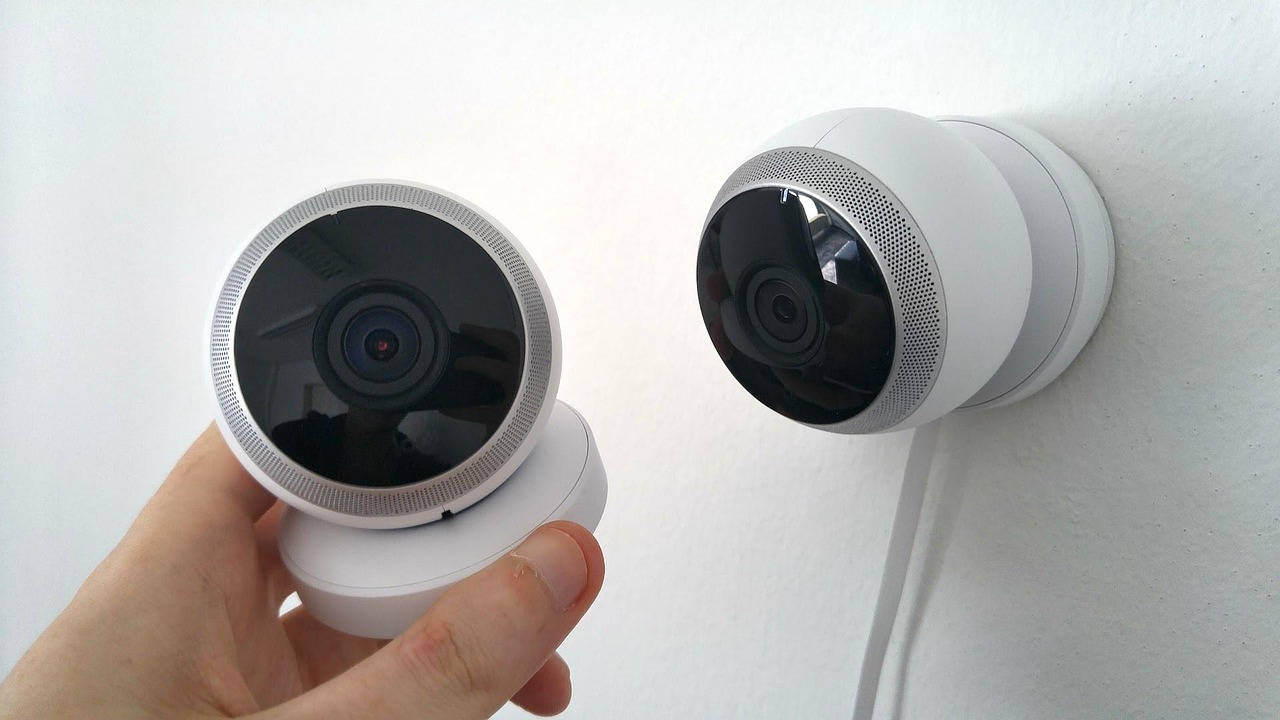
South Korean police arrested four people for hacking more than 120,000 home and business cameras. That number itself is disturbing. What they did with the footage is beyond disturbing. They pulled recordings from living rooms, bedrooms, clinics, small shops — anywhere a cheap little white camera sat on a shelf — and turned them into sexually exploitative material for an overseas website.
This wasn’t some mastermind operation. It wasn’t Ocean’s Eleven with keyboards. These were regular people exploiting the easiest vulnerability in the world: terrible passwords. Cameras shipped with default logins. Owners never changed them. Hackers didn’t “break in” — they walked through an unlocked door.
And the scale of it… That’s the part that gets under my skin.
One suspect hacked 63,000 cameras and churned out more than 500 exploitative videos, selling them for digital assets that barely cover the cost of a mid-level gaming laptop. Another hacker hacked 70,000 cameras and sold nearly 650 videos of people who had no idea a stranger was watching their most private moments.
Private homes.
Karaoke rooms.
A pilates studio.
A gynecologist’s clinic.
There are stories you read and stories you feel, and this one drops into the second category without hesitation.
Police in South Korea are trying to shut down the website hosting this garbage. They’re contacting victims one by one — imagine being on the receiving end of that conversation — and they’re warning people to change their passwords immediately, which, unfortunately, is the digital equivalent of telling someone to lock their door after the burglars have already cleaned out the house.
Here’s what keeps echoing in my head:
We’re buying these little cameras for peace of mind, for dog-checking, kid-checking, and “is the stove off?” checking. Convenience took over, and security got shoved into the trunk.
A camera pointed at your living room is basically a window.
If you wouldn’t leave a window wide open all night, why trust a device you installed yourself in five minutes during a conversation?
Nobody wants to think about this stuff. It’s uncomfortable, ugly, and it forces you to rethink the gadgets sitting quietly in the corners of your home. But pretending the threat isn’t real doesn’t make anyone safer. These weren’t brilliant hackers. They didn’t “beat the system.” They beat people who assumed the system cared enough by default to protect them.
If you’ve got a home camera — any brand, any price — take ten minutes today and change the damn password. Enable two-factor authentication. Tell your friends. Tell your relatives. You don’t need to become a cybersecurity expert. You need to stop handing strangers the keys.
Because if four random people in South Korea could do this much damage on their own, imagine the ones nobody has caught yet.
Attribution:
The BBC originally reported this story:
https://www.bbc.com/news/articles/cj01q6p7ndlo